Once you send the form, finding a pro is off your list.
You've probably noticed it's the same room every time. Upstairs holds the heat long after the thermostat downstairs says the house is at temperature. By August, climbing those stairs in a Virginia afternoon feels like walking into a different house.
Heat rises, and whatever your air conditioner is pushing out has to fight its way up against it. If the system is short on refrigerant, if a duct run upstairs isn't moving the air it should, or if the second floor just needs more than the rest of the house is getting, that top floor loses the fight first and worst.
This isn't something you fix by lowering the thermostat another few degrees. That usually just runs the system longer without changing where the cool air actually ends up. The room that's hot stays hot, and the unit downstairs works harder for a house that already feels cool enough.
Finding out why takes someone who can get up into the attic, check the air coming out of the upstairs vents, and see whether the system itself is working the way it should. That's not guesswork from the thermostat. It's hands on the equipment and the ductwork.
Send the request and you're done with the searching and calling around part of this. You won't be handed a list of names to sort through and call yourself. One licensed contractor who works in your area takes it from there, someone who's in attics like yours all summer long and has a good sense of what's usually behind a hot upstairs before they ever climb the ladder.
From here, the work of tracking someone down is off your plate. You can go back to dealing with the heat instead of the search for who's going to fix it.
Why does my upstairs stay so hot in the summer?
You keep the thermostat set where you want it, but the upstairs bedrooms still feel ten degrees warmer by late afternoon. It's not your imagination, and it's not just that heat rises. Something in how the system is set up or running is leaving the upstairs short of the cool air the downstairs gets, and in a Virginia summer, with the heat and the humidity both working against you, that gap is going to show up every single day until it's looked at.
One air conditioner usually can't cool two floors evenly
Most houses with a single system and one thermostat downstairs are going to run short upstairs, because that thermostat only knows the temperature where it sits. It calls for cooling based on the first floor and shuts off once that spot is satisfied, even if the upstairs rooms haven't caught up. Add in a duct run that has to fight gravity to push air up a second story, or a return that's undersized for the job, and the air reaching those rooms slows down before it ever gets there. In a Virginia summer, with the outside air pressing heat into the attic above those rooms all day, that slower airflow doesn't stand much of a chance. A contractor who works on these systems regularly can look at the ductwork, the airflow, and the thermostat setup to find where the upstairs is actually losing ground.
The system has to work against a Virginia summer that doesn't let up until evening, and a house that's two stories tall and fighting it the whole way. If a return isn't pulling enough air from upstairs, or the ductwork up there was never sized for how hot that floor gets, no setting on the thermostat will fix it. That's a diagnosis job, done in the attic and at the vents, not something to guess at over another sticky week. Someone who works on these systems in these houses all summer knows which of those upstairs rooms problems show up again and again, and where to check first. Send the request and a licensed contractor near you picks it up, not a handful of companies competing for your callback. You stop tracking down who's available and who isn't. One contractor, working your actual address, looking at your actual ducts, while you go back to whatever you were doing before that room upstairs got hot again.
Why one thermostat isn't enough
A single thermostat downstairs reads one room and calls the whole house done. Once that room hits the set temperature, the system shuts off, even if the upstairs is still ten degrees warmer. Without a second thermostat or a zoning system splitting the floors, the air handler has no way to know the upstairs needs more time. It just follows the one sensor it has, and that sensor isn't where the heat is sitting.
What the ductwork has to fight
Supply ducts running through a hot attic pick up heat before the air ever reaches an upstairs vent. By the time it's blowing into the bedroom, it's not as cold as what left the air handler. On a 95-degree Virginia afternoon, that attic can run well past the outside temperature, so the longer the duct run, the more the air warms up along the way.
Live with it through summer
You keep adjusting the thermostat and closing vents downstairs, but the upstairs still runs hot every afternoon until the sun goes down.
A local contractor who works on Virginia attics and ductwork all summer checks the return air and duct sizing upstairs and tells you what's actually causing it.
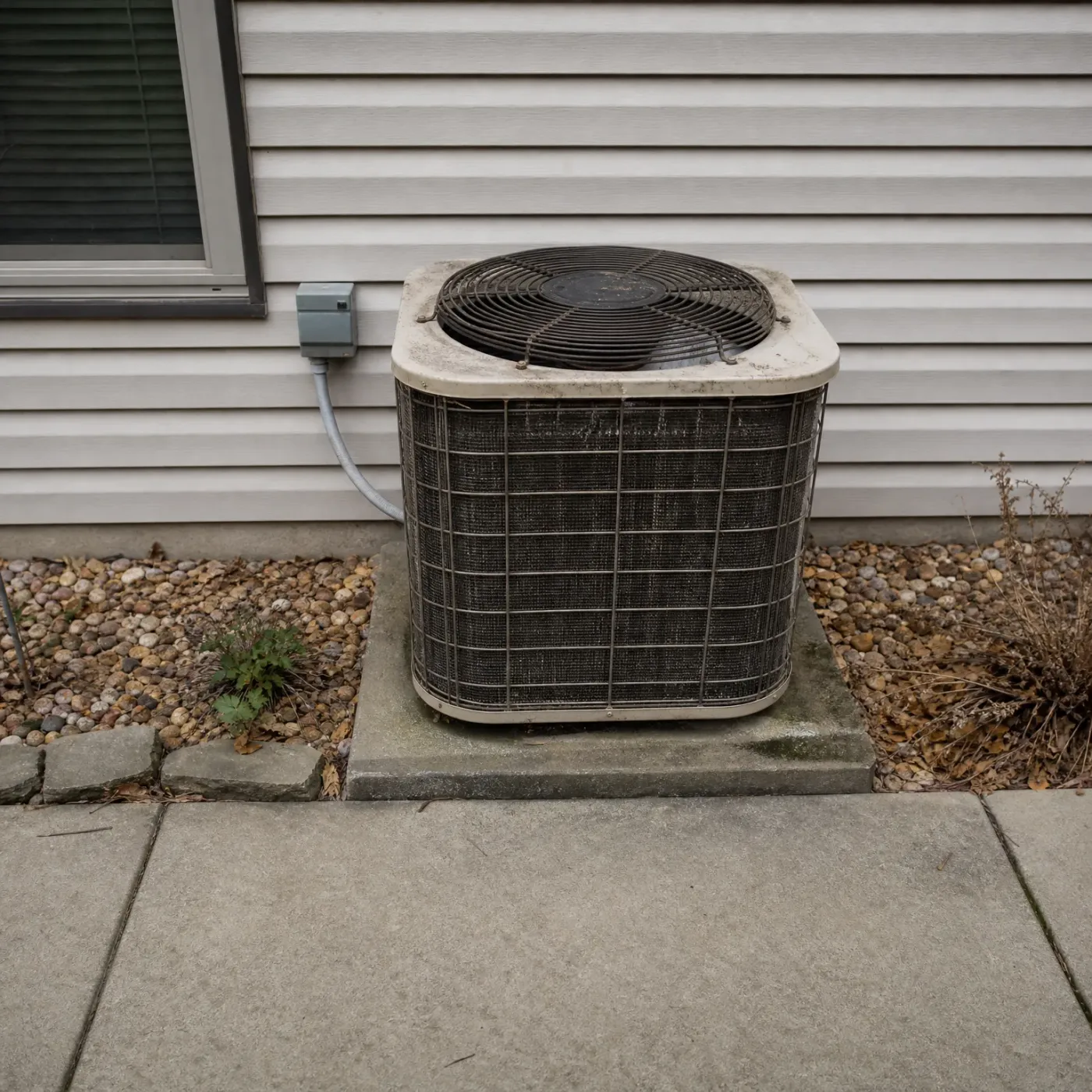
Before you get your air conditioner repairAfter you get your air conditioner repair
Summer air here averages a dew point of 64°F across June, July and August, and that's the kind of air your system has to wring out before the house feels dry. An air conditioner pulls humidity out of the air as it cools, and upstairs, where the return is often weaker and the ducts run through the hottest part of the attic, it falls behind. The air moving through those rooms stays damp even after it's cooled some, so the room feels warmer than the thermostat number suggests. You'll notice it most by late afternoon, when the upstairs air feels heavy and slow to cool no matter how low you set it.
NASA POWER T2MDEW county cells weighted by homes
The upstairs stays hot because something specific up there, a return that can't keep up, ductwork sized wrong, a system losing the fight against the attic, is making the air conditioner lose ground it never gets back before evening. That's fixable, but it takes someone who can look at your attic and your ducts and say what's actually happening, not just tell you to run the fan longer. A contractor who works on Virginia homes all summer has seen this same upstairs problem enough times to know where to check first, and you'll get matched with one local contractor, not a handful of companies competing for your callback. No more guessing which vent to close or whether the thermostat downstairs is lying to you. Once someone's looked at the system itself, you'll know whether it's the ductwork, the return, or the equipment, and what it takes to get the upstairs down to the same temperature as the rest of the house.
Finding a pro stops being your job
Only one pro gets your request, so you hear from one company.