Let someone else find the pro
Why your AC unit is buzzing in Virginia
A buzzing AC can mean a failing contactor, a loose part in the outdoor unit, or an electrical problem that needs attention before it gets worse. With Virginia summers running hot and humid, a unit that's struggling to run right can't wait long. This page gets into what causes the noise and what to do next. Skip the searching and calling around: send the form and let a licensed contractor take it from here.
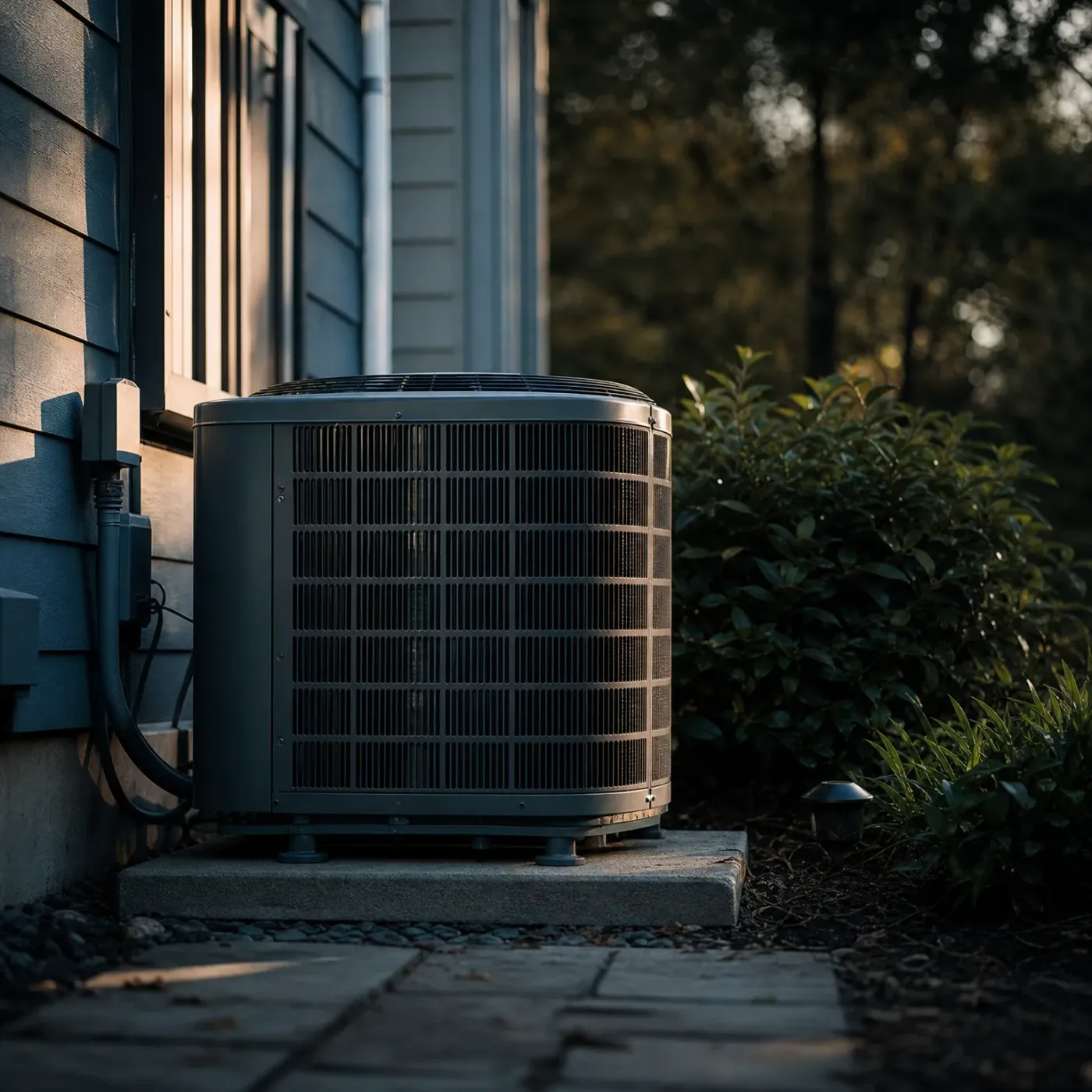
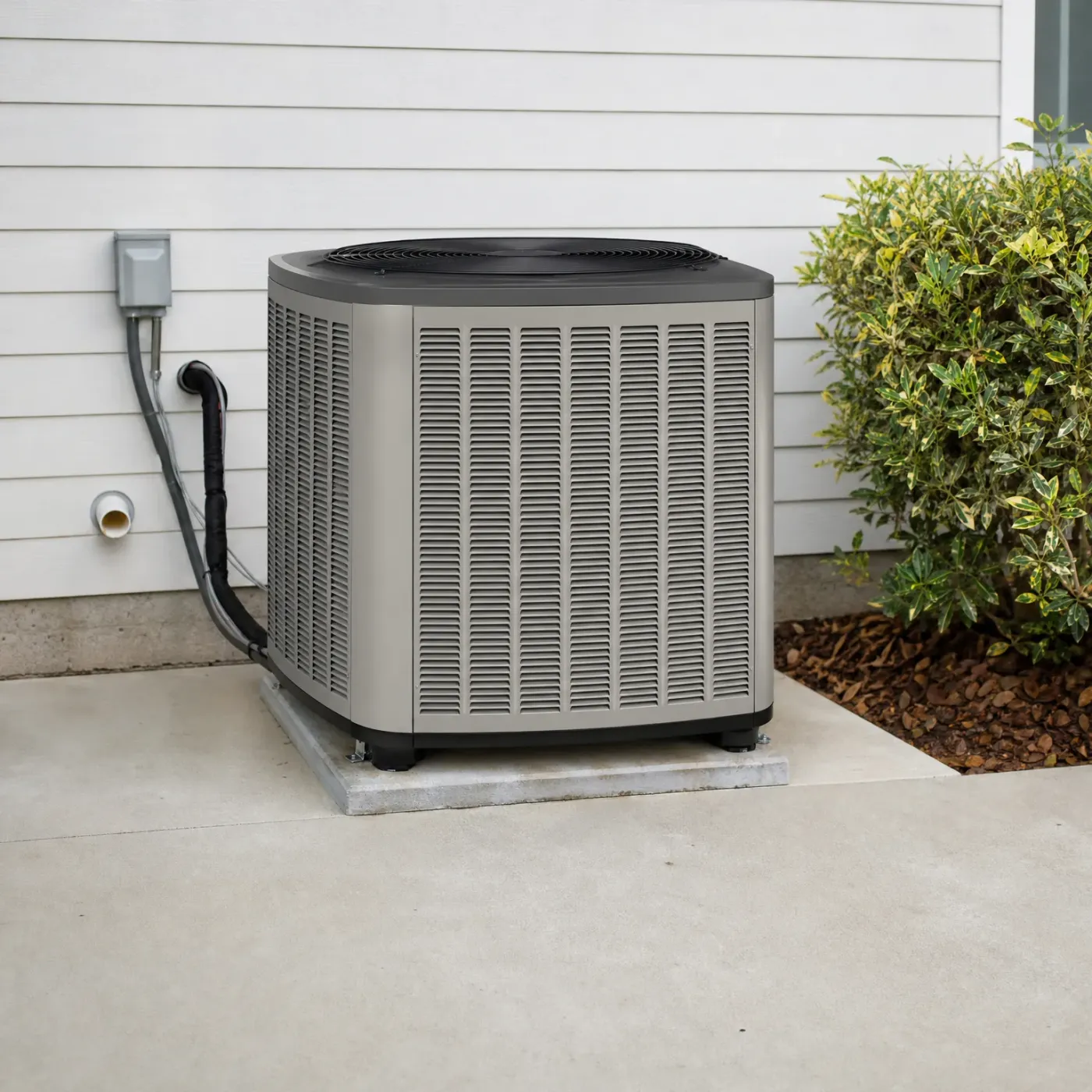
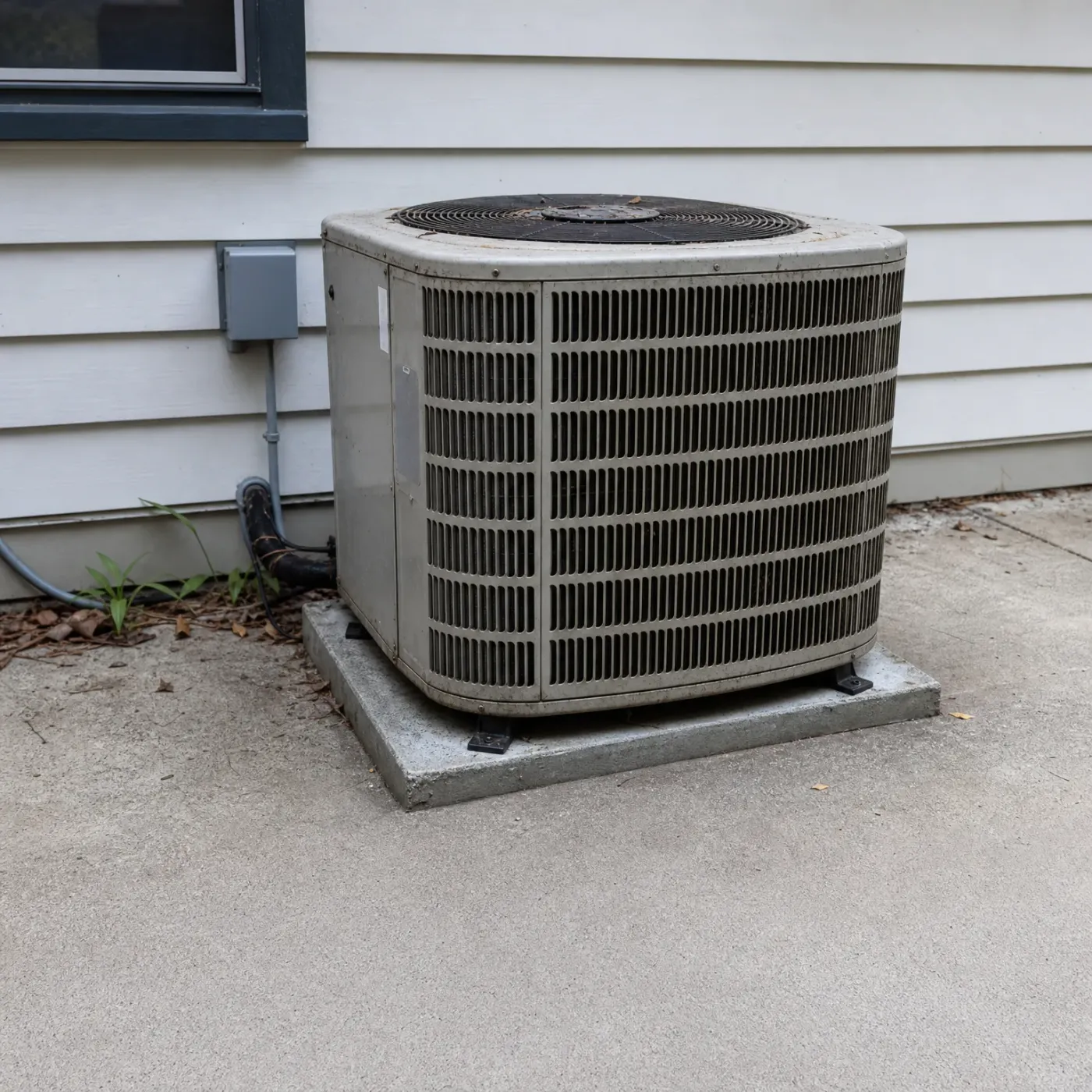
Let a pro reach outA buzzing sound from your AC usually points to the outdoor unit. The contactor, a switch that sends power to the compressor and fan, can chatter or hum when its contacts wear down. A fan blade that's loose or hitting debris inside the cabinet makes a similar buzz, and so does a compressor losing its start capacitor, the part that gives it the jolt it needs to turn on. Some of these are minor. A worn contactor can usually be swapped without much trouble. A failing capacitor, though, puts strain on the compressor every time it tries and fails to start, and compressors are the most expensive part to replace. With summer here running hot and sticky, an AC that's buzzing instead of running is worth having looked at before it quits during a stretch when you need it most.
Power costs 15.28 cents per kilowatt-hour statewide
At 15.28 cents per kilowatt-hour, a buzzing AC isn't just annoying, it's a warning about waste. A worn contactor or loose fan blade can make the compressor work harder to cool your home, and that shows up on your bill before it shows up as a breakdown.
EIA-861 2025 statewide residential average
Tracing the Buzz to Its Source
- Buzzing right when the compressor kicks on usually means the contactor's contacts are pitted and arcing instead of closing clean.
- A buzz that keeps going while the unit runs often traces to the fan motor bearings or a blade rubbing the cabinet.
- A capacitor losing its charge makes the compressor hum and strain without the fan or compressor fully starting.
- Loose screws on the access panel or the fan grille can rattle into a buzz that has nothing to do with the electrical parts.
- Refrigerant lines vibrating against the cabinet or a nearby pipe can sound like an electrical buzz from a few feet away.
- A buzzing sound that stops and starts with the thermostat points to the contactor, not the motor or the fan blade.
Where the buzz starts tells you what's wrong, and when it happens matters as much as what it sounds like. The contactor is a small electrical switch that closes every time the thermostat calls for cooling, sending power to the compressor and the outdoor fan. New contacts close clean and quiet. Worn ones pit and arc, and that arcing is what you hear as a buzz right at startup. If the buzz starts with the unit and stops with the thermostat, that switch is the likely cause. A buzz that continues the whole time the unit runs is a different problem. That points to the fan motor itself, worn bearings letting the shaft wobble, or a blade that's bent enough to clip the cabinet on every rotation. The capacitor is another possibility worth knowing about. It stores the electrical charge that gets the compressor and fan motor started and keeps them running smoothly. A weak one won't fail outright. Instead the compressor strains and hums without fully starting, which sounds like a buzz but is really a motor trying to turn over without enough power behind it. Not every buzz is electrical. Screws on the access panel or the fan grille work loose over time and rattle against the cabinet. Refrigerant lines can do the same if they're vibrating against metal nearby. Both sound electrical from a few feet off but have nothing to do with the wiring at all.




One request and it's handed off

Fill out one short form instead of calling around.
No fee to send it, and nothing to sign.

Power reaches the contactor, and worn contacts start to arc.
Arcing contacts buzz instead of closing with a clean snap.
The compressor draws power through that bad connection anyway.
Heat builds at the contact points with every cycle.
Why does my AC buzz only when it first kicks on?
You notice the buzz lasts just a second or two, right as the compressor starts up, then it's quiet. It's easy to wonder if that's just normal startup noise or something you need to worry about. The timing matters more than the volume. A buzz that shows up only at the moment of start and then disappears is telling you something specific about what's happening inside the outdoor unit.
That's the contactor closing, and a buzz there means its contacts are starting to wear
Every time your AC starts, the contactor snaps shut to send power to the compressor. A clean contactor does this with barely a click. A worn one buzzes or chatters for a moment before it seats, because the metal contacts are pitted and don't close flush anymore. That short buzz at startup is the sound of a weaker connection trying to make itself work. It usually gets louder and lasts longer as the pitting gets worse, cycle after cycle. Left alone, a contactor in this state can eventually fail to close at all, and your AC won't start. Catching it while the buzz is still brief and only at startup is the easier time to deal with it.

You're out back around seven, grill going, and the air conditioner's supposed to be keeping the house livable while this Virginia humidity sits heavy on everything. Instead you hear it before you see it, a flat buzz coming from the condenser against the fence. You walk over and the fan's not spinning. The unit's just sitting there humming to itself in the low light, drawing power and going nowhere. Inside, the air coming through the vents is already warmer than it was an hour ago. You crouch down and look through the grille at the still blades, then check the breaker, then just stand there listening to it buzz.

A buzzing AC is telling you something specific
A contactor with pitted contacts, a fan blade hitting the cabinet, a capacitor running weak. That's what's behind the buzz, and none of those get quieter on their own. The sound you're hearing tonight is the same sound you'll hear tomorrow, just closer to the point where the compressor stops starting at all.
Finding someone licensed to look at it means calling around, explaining what you're hearing to two or three different people, then weighing quotes against each other while the unit keeps running the way it's running. Send the form instead and that part stops being yours to manage. A contractor who knows Virginia summers and what a buzzing condenser costs you in July gets matched to the job, and the searching and comparing is off your plate.


Air Conditioner Repair
Done looking for an air conditioner pro

- A local pro who knows air conditioners gets your details and gets in touch.
- Tell a local repair pro what your air conditioner is doing.

- Send it once and finding someone is no longer on you.
- Send the request today and let an air conditioner pro reach out to you.

- Skip searching for an air conditioner pro and answer a few questions instead.
- One form replaces the calls you'd make to find an air conditioner pro.

- The pro who reaches out is licensed in Virginia.
- Only one pro gets your request, so you hear from one company.