R-22 is already gone, and R-410A is now on its way out too, with new rules changing what AC units are made and sold from here on. If your system is old or on its way out, you're likely wondering what this means for repairs, replacement, and cost. This page gets into what's changing and what it means for your home in Virginia. Send the form below and skip the work of tracking down and vetting a contractor yourself.
R-410A is being phased out because of federal rules that took effect in 2025, the same kind of changeover that already pushed R-22 out of production a few years back. New air conditioners made or imported from 2025 on use R-454B or another refrigerant with a lower impact on the atmosphere, not R-410A. If your AC already runs on R-410A, it's not illegal to own or to keep repairing. Shops can still service it and the refrigerant is still being produced, just not for new equipment. The practical change is on the installation side. If you're shopping for a new system in Virginia, what gets installed will run on the newer refrigerant, which means a different indoor coil and sometimes different line set sizing than what your current unit uses. Through a Virginia summer, you want that installation done by someone who's already worked with the new equipment, not learning it on your roof.
Keep Your Unit or Replace It Now
Keep your R-410A unit
If your system is working, R-410A is still legal to use and still being produced for existing units.
A contractor can still service and recharge an R-410A system if it develops a leak or needs a repair.
R-410A will likely cost more over time as production shifts toward newer refrigerants.
Your current unit doesn't need to be replaced just because of the refrigerant rule change.
Summers in Virginia get sticky, and a system that's already cooling reliably doesn't need to be swapped out early.
Install a new unit now
New air conditioners made from 2025 on use R-454B or another replacement refrigerant, not R-410A.
A new unit means matching equipment, so parts and service are built around the refrigerant it actually uses.
Replacing before a breakdown means you choose the timing instead of doing it during a heat wave with no cooling.
Most homes in Virginia heat with electricity, so a new system can be sized with that in mind.
Newer units are built to current efficiency standards, which can matter over years of running through the summer.
1
Your home's heat moves into the indoor coil and the refrigerant inside it
2
The compressor outside pressurizes that refrigerant and sends it to the outdoor coil
3
The outdoor coil releases that heat to the outside air
4
The refrigerant cools back down and returns inside to do it again
Is your AC telling you it's running on borrowed time?
An R-410A system that's struggling shows itself in Virginia summers quicker than most places. You might notice the house not quite getting cold even with the thermostat set low, or the unit running longer stretches than it used to. A hissing sound near the lines, ice on the outdoor coil, or a refrigerant smell near the indoor unit usually points to a leak. If a contractor tops off the charge once, that's a patch. If it happens again within a year or two, the system has a leak that recharging won't fix, and each refill likely costs more than the last as supply tightens. Left alone, a low charge makes the compressor work harder than it should, which shortens its life.
A system still doing its job
If the unit outside is keeping the house cold and cycling off like it should, there's no reason to touch it. R-410A is still being made, still legal, and a contractor can recharge or repair it the same as always. Keep an eye on it and plan ahead for when that changes.
A system on its way out
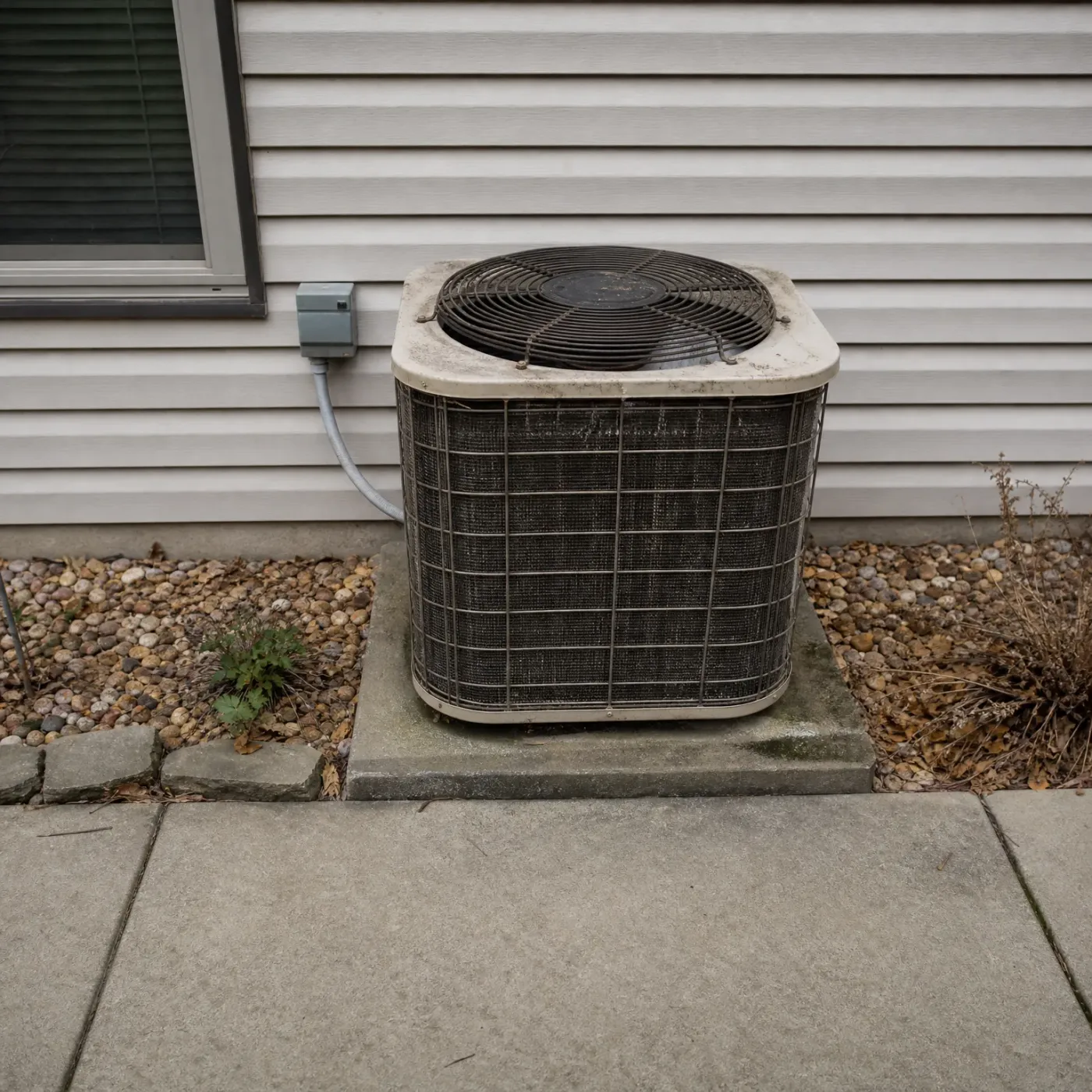
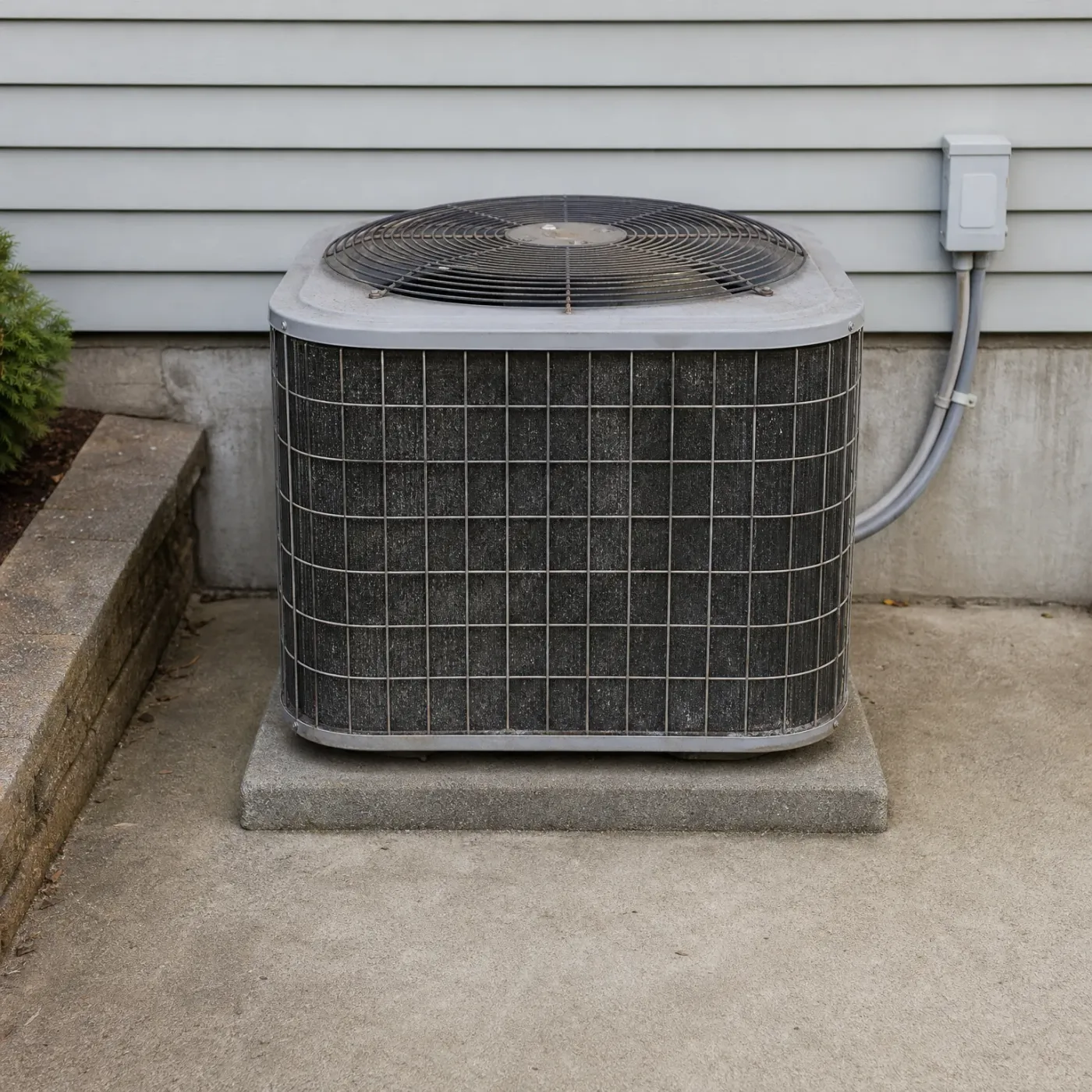
Weeds growing up around the pad, rust on the housing, a unit that runs longer than it used to. That's a system telling you it's near the end, not a refrigerant problem. Once it fails for good, replacing it means buying into whatever refrigerant is on the market that year.
Before you get your air conditioner installationAfter you get your air conditioner installation
One form replaces the calls you'd make to find an air conditioner pro.
There's no charge for the request.
A summer dew point of 64°F is what the air conditioning engineers use to size equipment for Virginia (ASHRAE climate data). That's heavy air, the kind that sits on you the moment you walk outside. Your AC isn't just dropping the temperature on days like that. It's pulling a lot of moisture out of the air before the house feels right, and that's the harder half of the job. An older R-410A system losing its charge or running low will struggle with that moisture first, so the house feels clammy even when the thermostat says you've hit your number. A properly sized new system handles both jobs together without running longer than it should.
NASA POWER T2MDEW county cells weighted by homes
Will an R-454B unit cool my house the same way my old one did?
You're looking at a new system that runs on R-454B instead of R-410A, and the obvious worry is whether that means a different kind of cold air, or a unit that has to work harder to get your house comfortable through a Virginia summer. It's a fair thing to ask before you commit to a new system.
Yes, the cooling is the same, the refrigerant just carries the heat differently
The refrigerant's job is to move heat out of your house, not to set how cold the air feels. R-454B does that job the same way R-410A did, absorbing heat at the indoor coil and releasing it outside through the compressor and outdoor coil. A properly sized R-454B system will pull the same heat out of your house and keep it as comfortable on a sticky Virginia afternoon as your old unit did. What changes is under the hood: the coils, the compressor and the charge are all built around the new refrigerant's properties. None of that shows up as weaker cooling in your living room. The thermostat setting still means what it always meant.
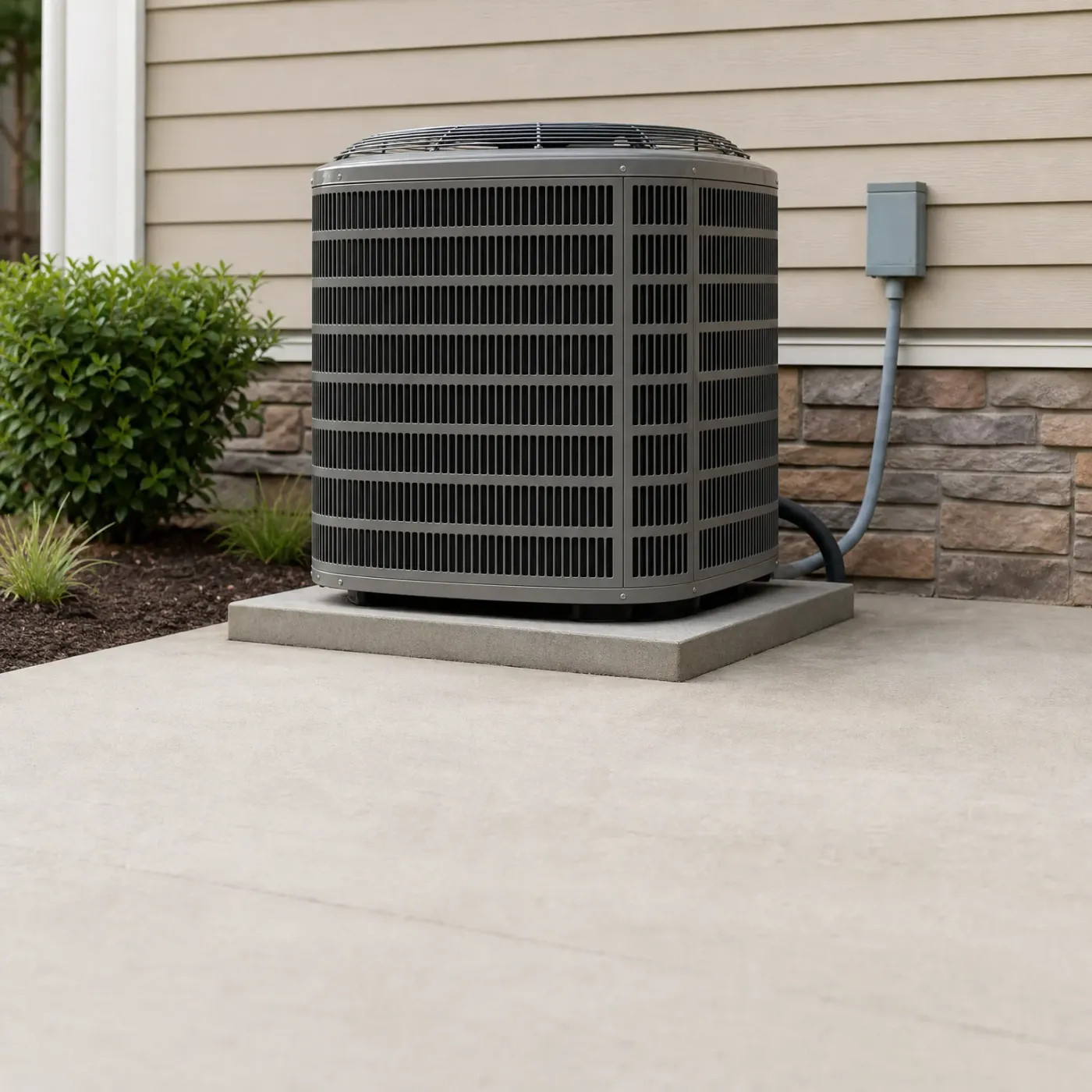
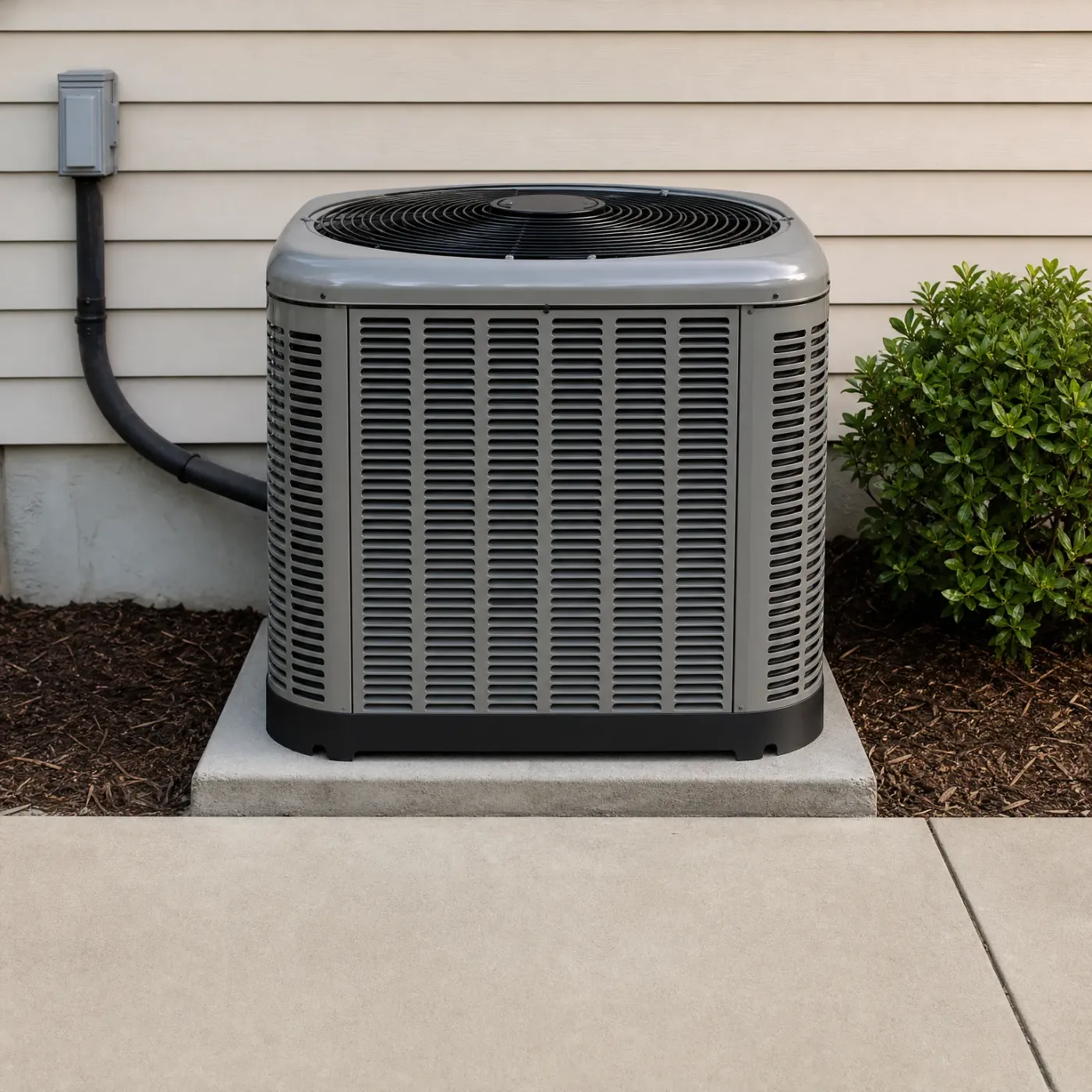
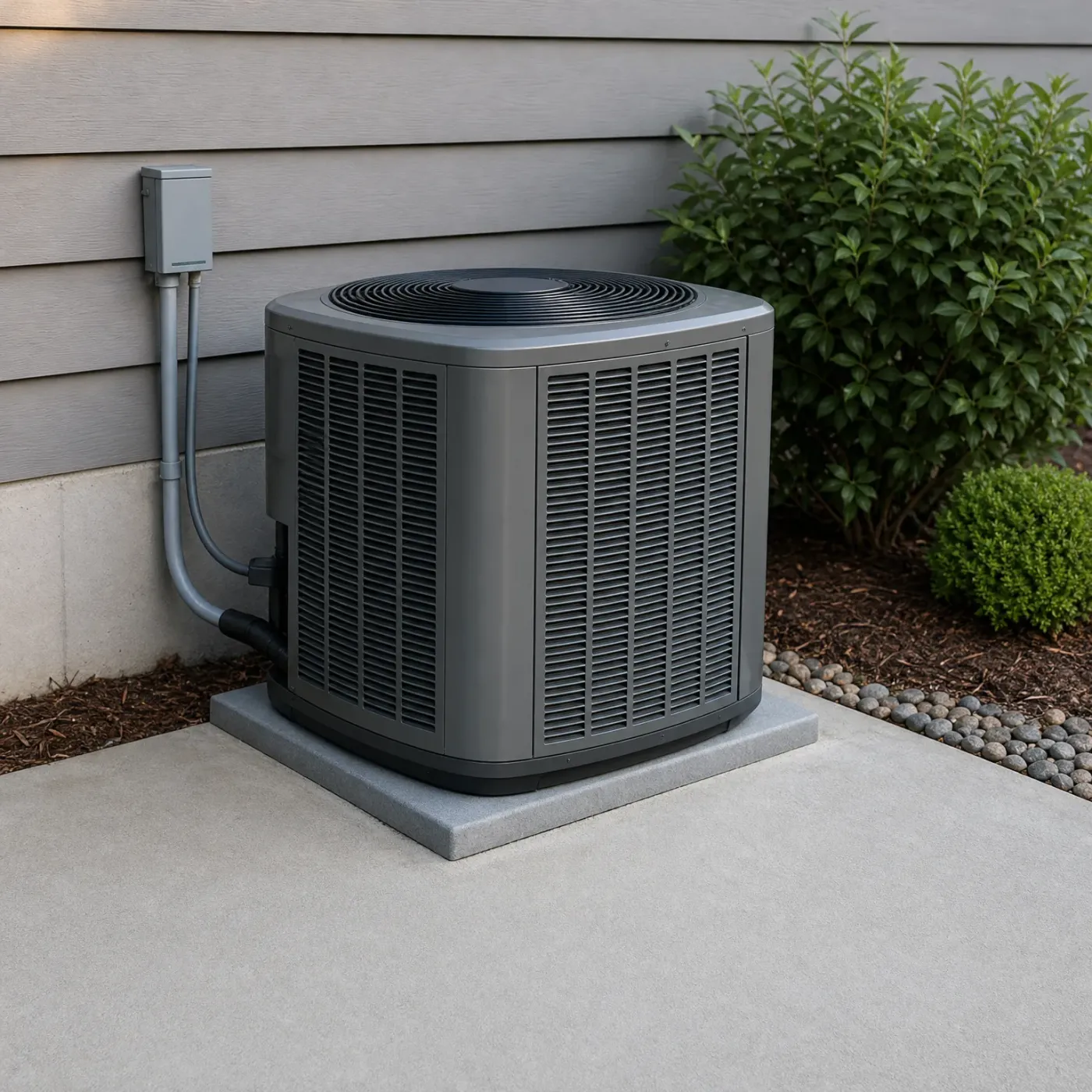
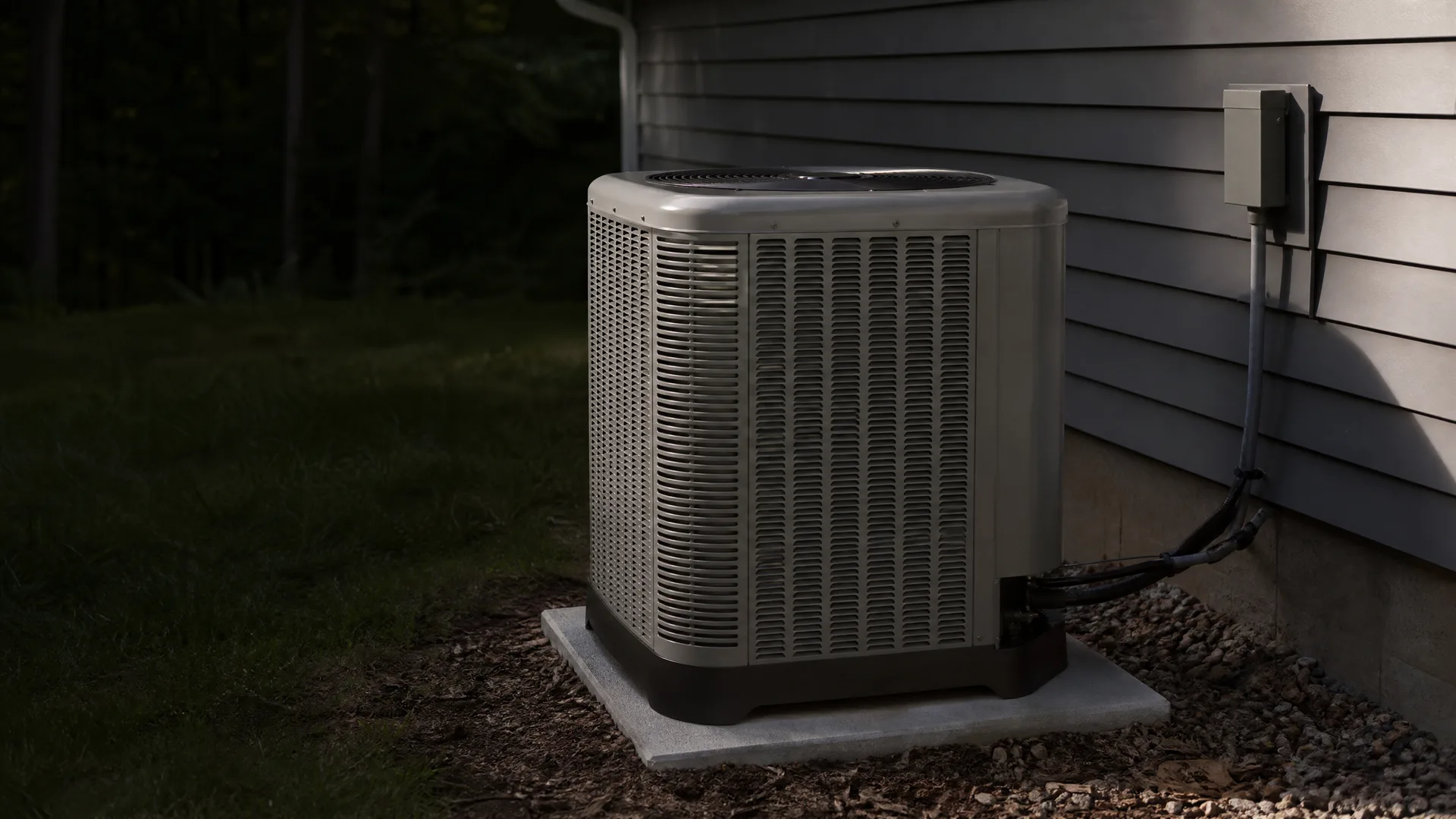
Condenser cycling normally on its pad, conduit running clean from the disconnect box to the unit.
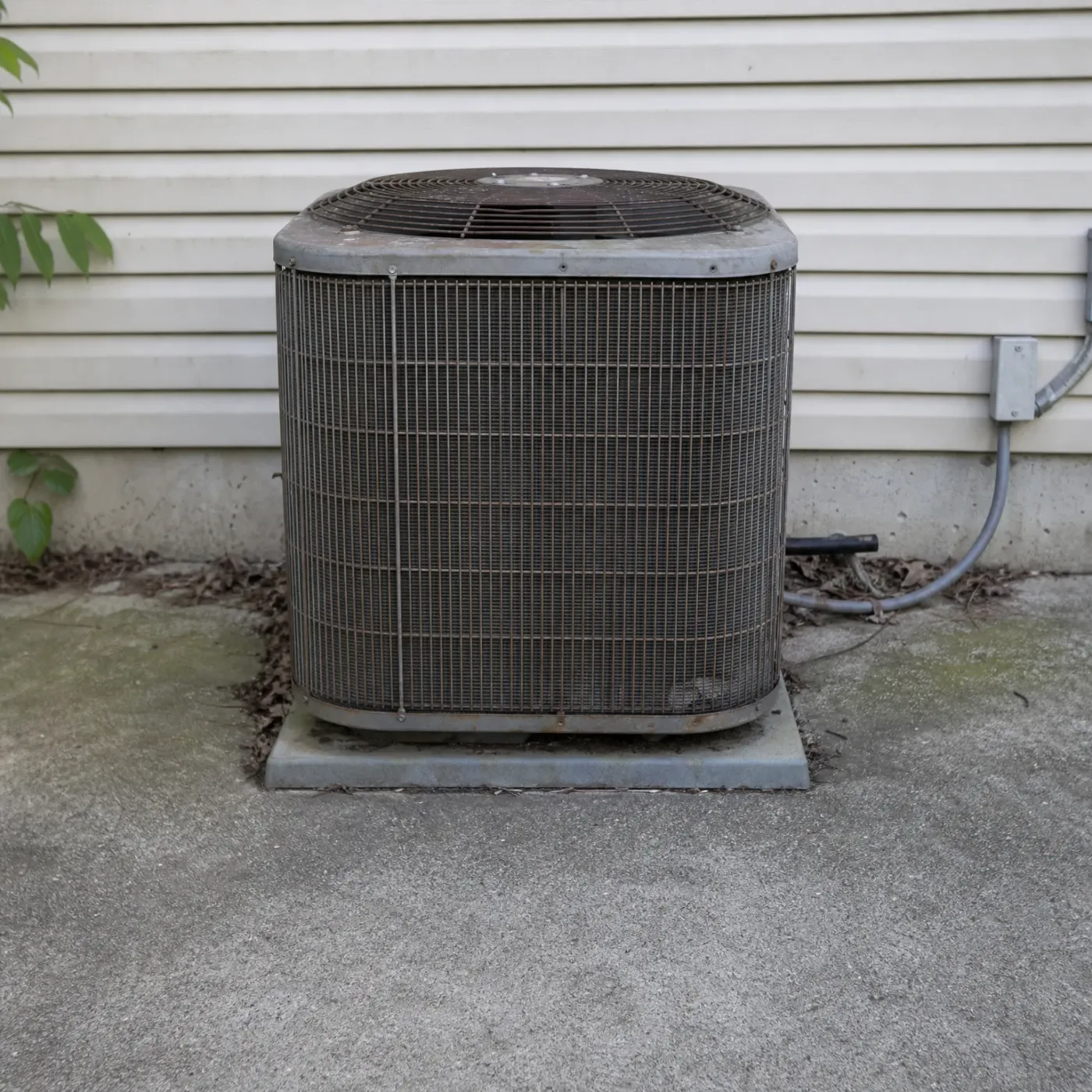
Same setup, same wall, but a system like this is where a refrigerant leak or a failing compressor shows up first.
What's Different Inside an R-454B System
R-454B carries a mild flammability rating, class A2L, so installers follow different handling and leak-check rules than they did with R-410A.
A2L line sets and fittings are built to tighter tolerances, which is why an old R-410A coil can't just be swapped onto a new condenser.
Indoor and outdoor units have to be matched as a pair; mixing an R-454B condenser with an older coil isn't something a contractor can do.
New condensers carry sensors that shut the unit down if they detect a refrigerant leak, a safeguard R-410A systems never needed.
The compressor in an R-454B system is built to run at different pressures than R-410A, so gauges and recovery equipment made for the old refrigerant won't read it correctly.
Because R-454B breaks down faster in the atmosphere than R-410A, less of it is needed to do the same job of absorbing and releasing heat.
A contractor installing an R-454B system isn't just swapping refrigerants. The whole unit is built around it. Because R-454B carries a mild flammability rating, the installer follows leak-check and handling steps that R-410A never required, and the line sets and fittings are machined to tighter tolerances to match. That's also why an old coil can't just get paired with a new condenser. The indoor and outdoor units are matched and tested as a set by the manufacturer, and a contractor can't mix a new R-454B condenser with a coil built for R-410A. The new condensers also carry sensors that monitor for a refrigerant leak and shut the system down if they find one, something no R-410A unit was built to do. Even the equipment a contractor brings to the job changes. The compressor in an R-454B system runs at different pressures than an R-410A one, so the gauges and recovery machines from an old job won't give an accurate reading on a new one. One thing works in the homeowner's favor. R-454B breaks down faster once it's in the atmosphere than R-410A did, which means a system needs less of it to move the same heat out of your house. None of this changes what the system does in your living room. It still pulls heat out of the house and sends it outside. It just does it with a refrigerant built to different rules, in a unit built to match.
Power costs 15.28 cents per kilowatt-hour statewide
At 15.28 cents per kilowatt-hour, your AC is one of the biggest draws on your bill all summer. A new R-454B system sized right for your house won't change that rate, but it changes how many hours the compressor runs to hold the temperature you set.
EIA-861 2025 statewide residential average
Where that leaves your AC
R-410A isn't disappearing from Virginia this summer or next. If your system is running and holding the temperature you set, a contractor can still service it, recharge it, and keep it going. The phase-out only touches what's built new. Nothing about it forces your hand today.
What changes is the ground under your next decision. When your unit does need replacing, the choice won't be R-410A versus R-454B anymore, it'll just be R-454B, made by whoever installs it. Rather than researching that cold, calling around to find someone who stocks the new refrigerant, and comparing quotes on your own, you can send one form and let a licensed contractor sort out what your house needs and what it'll run you. You'll know where you stand instead of guessing at it alone.