


Standard AC
Lower cost to install. It cools the house but runs in bursts, so the sticky feeling between cycles stays part of your summer.
One request ends the search for an air conditioner installer.
I'm done searchingYou've seen variable-speed systems cost more than a standard AC and you want to know if the difference is worth paying before you commit to a new install. With Virginia summers running hot and sticky for months, you're weighing whether the upgrade actually earns its keep here or just sounds good in a sales pitch.
A variable-speed AC adjusts its output instead of just running full blast or shutting off. In a climate like Virginia's, where the air stays humid for months, that matters because the system can run longer at a lower speed, which pulls more moisture out of the air than a single-speed unit cycling on and off. That means a drier, more even house through July and August without the temperature swings a standard unit produces. Since most homes here heat with electric systems too, a variable-speed AC paired with a heat pump can also smooth out the shoulder months. The tradeoff is upfront cost against comfort and humidity control over the years you keep the system.

A standard AC runs at one speed. It either blasts cold air or shuts off, so humidity creeps back up between cycles. A variable-speed compressor adjusts its output to match what the house needs at that moment. On a mild day it might run at a quarter of its capacity for hours instead of cycling on and off. That long, slow run is what pulls moisture out of the air, which matters once Virginia's air turns sticky.
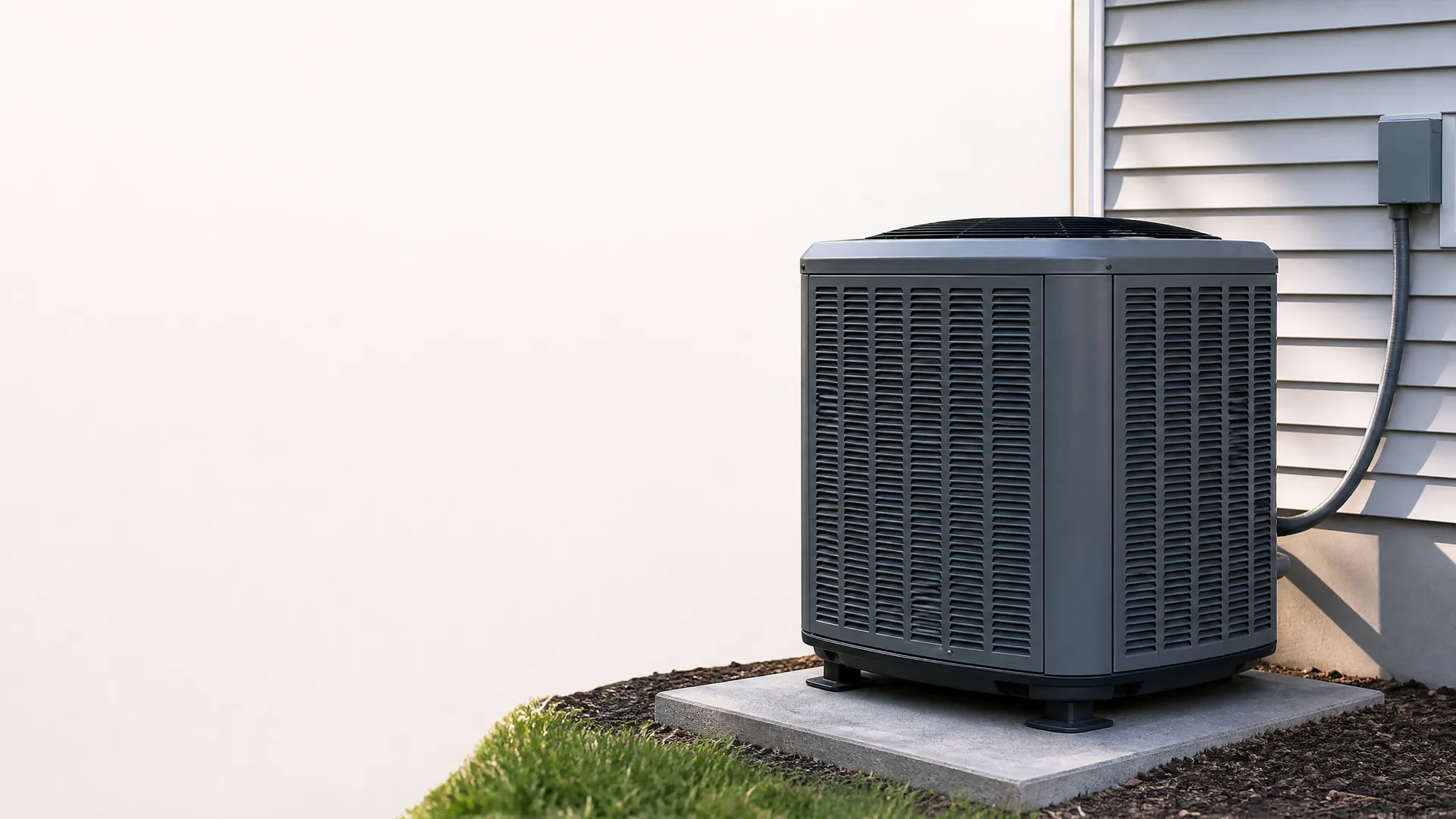
Since most homes here heat with electricity, your power bill already carries the load of both seasons. A variable-speed unit draws less current at partial speed than a single-speed unit draws at full blast, because it is not working harder than the moment calls for. With power priced the way it is in Virginia, running at the speed the house actually needs, rather than full tilt every time, is where the savings come from.

The box fan does nothing but move the warm air around. It's past nine and still close to ninety up here, the kind of heat that sits on your chest. Downstairs the AC kicked off twenty minutes ago, satisfied, and the bedroom never got the memo. You peel the sheet back for the third time and lie there listening to the fan tick on its stand, sheets already damp again at the small of your back. Your phone's on the nightstand, screen dark, six percent left because you forgot to charge it. Outside the window the street's quiet. Everyone else's lights are off already.
Skip collecting and comparing quotes for the new air conditioner.
Asking costs nothing, and the choice to hire stays yours.
If your ductwork is old or undersized, a variable-speed system can't show what it does best. It needs steady airflow to ramp up and down the way it's built to, and a duct system that's choking the airflow will bottleneck a variable-speed compressor the same as a standard one. A smaller house with one or two AC zones and a thermostat nobody fusses over also doesn't give the variable-speed system much to work with. In those cases you're paying more for control that never gets used. A standard AC sized right for the house, installed correctly, will still cool a Virginia summer down to a comfortable temperature. It just does it in bigger swings.
A house with uneven rooms, a finished basement, or ductwork that was extended over the years tends to have hot and cold spots a single-speed system can't smooth out. Variable-speed handles that unevenness because it's not just one blast of air followed by silence. If anyone in the house has allergies or asthma, the longer, gentler airflow filters more air per hour than a unit that shuts off every time the thermostat's satisfied. And since most homes in Virginia heat with electricity, a variable-speed system paired with a heat pump setup runs more efficiently across both seasons, not just the muggy ones. The upfront cost is higher. Whether it's worth it comes down to what the house and the people in it actually need.




Lower cost to install. It cools the house but runs in bursts, so the sticky feeling between cycles stays part of your summer.
Costs more up front. It runs longer at lower output, pulling steadier moisture out of the air through a Virginia summer.

A standard compressor has two settings: on and off. A variable-speed compressor uses a drive that changes the electrical frequency going to the motor, so the motor itself can turn at hundreds of different speeds instead of just one. The thermostat isn't flipping a switch anymore. It's sending a signal that tells the compressor how hard to work, and the compressor adjusts every few seconds to hold the house at that point rather than overshoot it and shut off.
That's also why the blower and outdoor fan on a variable-speed system ramp instead of snapping on. All three parts, compressor, indoor blower, outdoor fan, are matched to run together at low output most of the time, only climbing toward full speed on the hottest afternoons. Finding a contractor who installs these correctly, and sizes the system to your house rather than your old unit's tonnage, is the harder part. Submitting one form here and letting someone qualified reach out beats calling around to five companies and repeating your situation to each one.

At 15.28 cents a kilowatt-hour, every hour your AC runs full blast and shuts off, then kicks on again, costs more than the same cooling spread out evenly. A variable-speed system pulls lower wattage for longer stretches instead of hitting peak draw over and over, which is where the savings show up on your bill.
EIA-861 2025 statewide residential average
A variable-speed AC costs more to put in, and in a Virginia summer it earns that back in comfort you can feel, running long and low instead of slamming on and off while the air between cycles turns sticky again. Whether it's worth it comes down to your house. If the ductwork can't carry steady airflow, a standard system is still the honest answer. If the ducts are sound, the variable-speed unit is doing what the standard one can't: holding the humidity down all day instead of chasing it back up every time it shuts off. You don't have to work out which case you're in on your own. Once you send the form, you're done hunting for someone who'll look at your ducts and your house and tell you straight which system makes sense, done calling around and explaining the same thing twice. A contractor takes it from there.


Send one request and you're done looking
Describe the project once instead of to every installer.