Is a two-stage AC worth it in Virginia

Step 1 of 3: Equipment

A two-stage AC is worth it in Virginia if you plan to stay in the house a while. Summers here run hot and sticky for months, and a two-stage unit spends most of that time running its low stage, which moves longer and slower instead of blasting on and off. That matters for humidity. A single-stage AC cools the air fast and shuts off before it has pulled much moisture out, so the house feels cold and clammy at once. The low stage on a two-stage system runs longer each cycle, so more humid air passes over the coil and more water actually drains out. Since most homes in Virginia heat with electricity, the AC and the furnace or heat pump often share the same air handler, so a two-stage condenser paired with the right blower keeps the air moving at a steadier, quieter pace through the whole house. The tradeoff is the install itself, where getting the staging and the ductwork matched right is what decides whether you feel the difference.

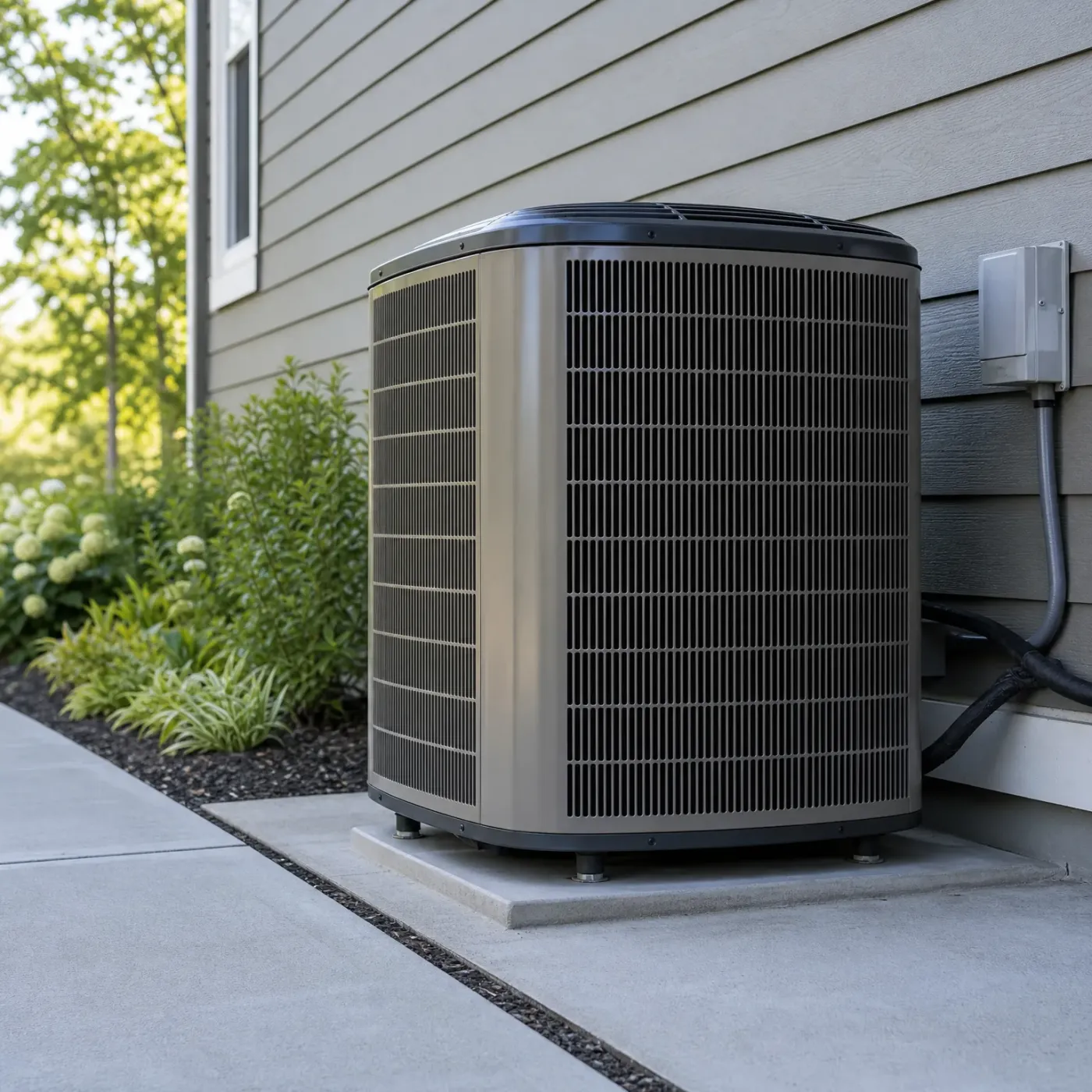
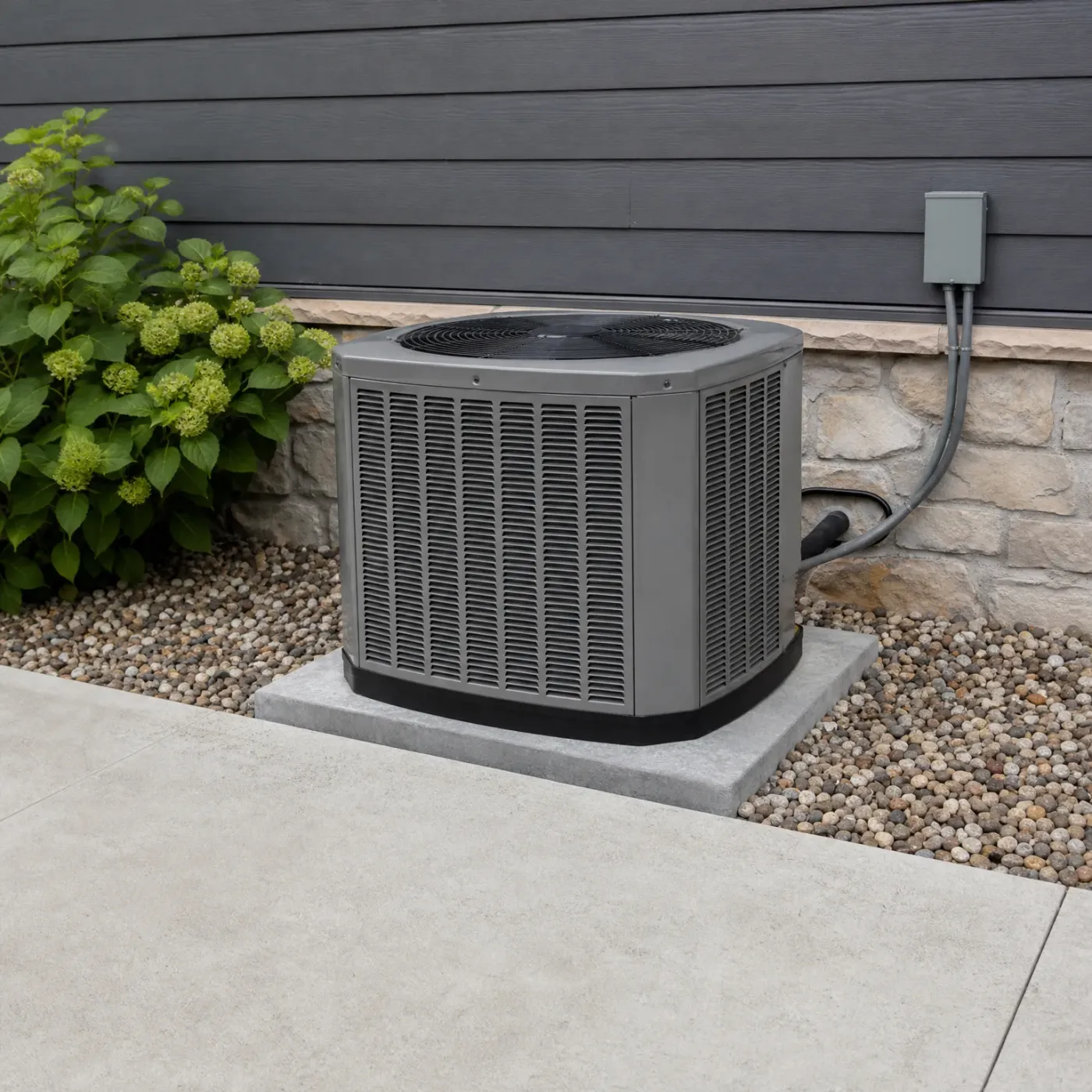
A gray outdoor air conditioner condenser unit on a concrete pad beside a house with dark horizontal siding and a stone base, surrounded by gravel, with a flowering shrub at left and a concrete walkway in front.

A single-stage unit running flat out

This one has one speed: full blast or nothing. On a sticky Virginia afternoon it slams on, cools the house fast, then shuts off. A few minutes later it's back on. That on-off cycle wears the compressor and leaves some rooms warmer than others.
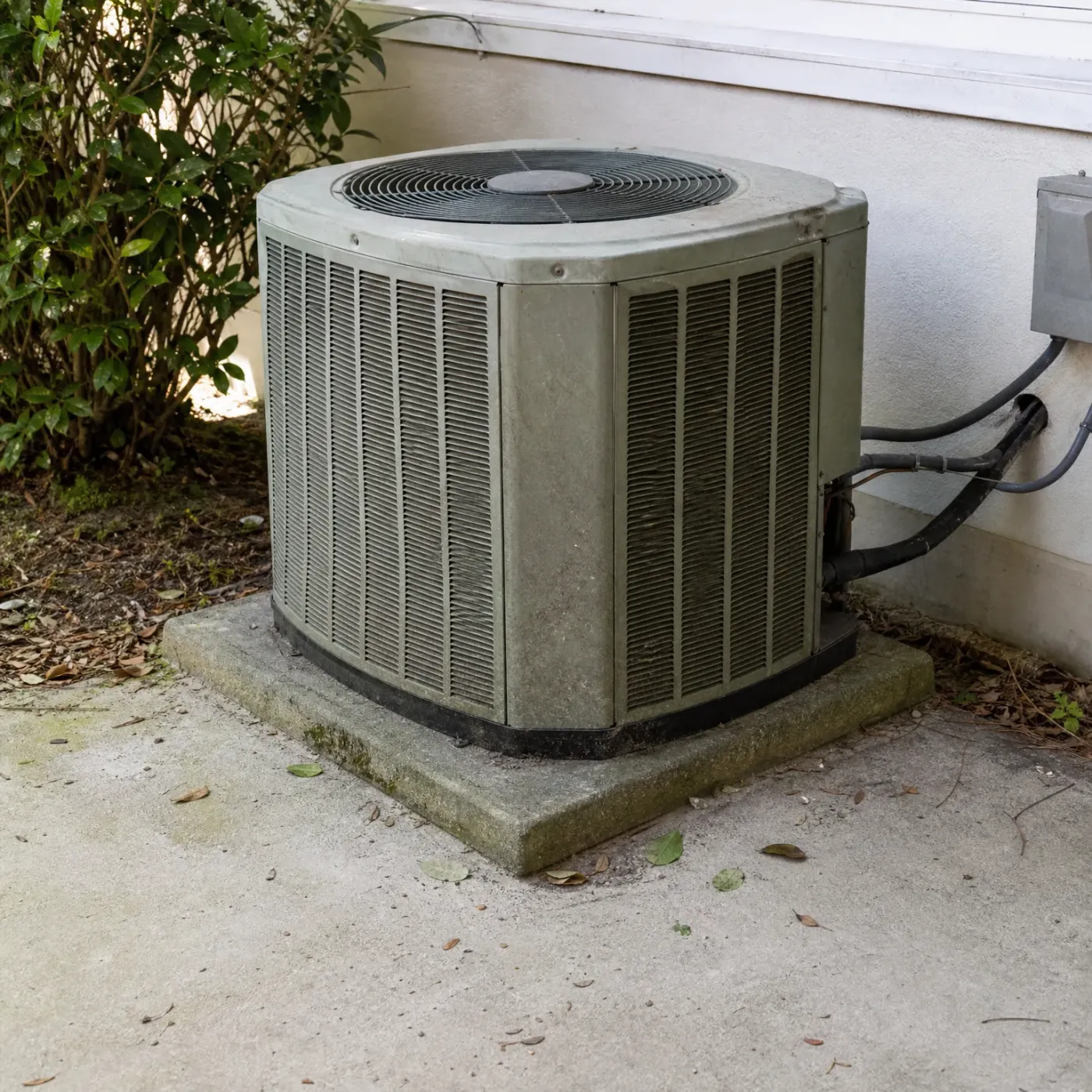
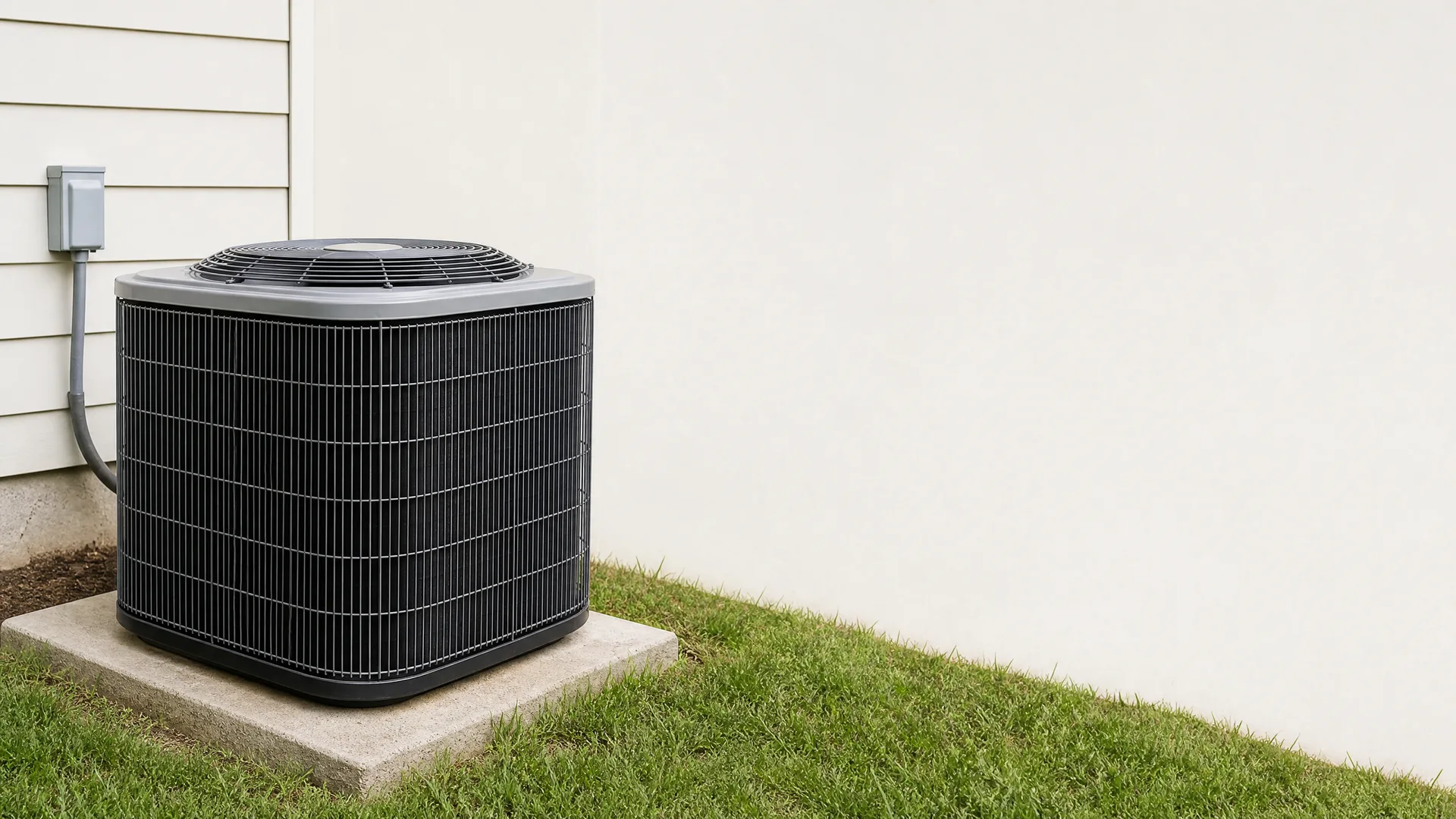
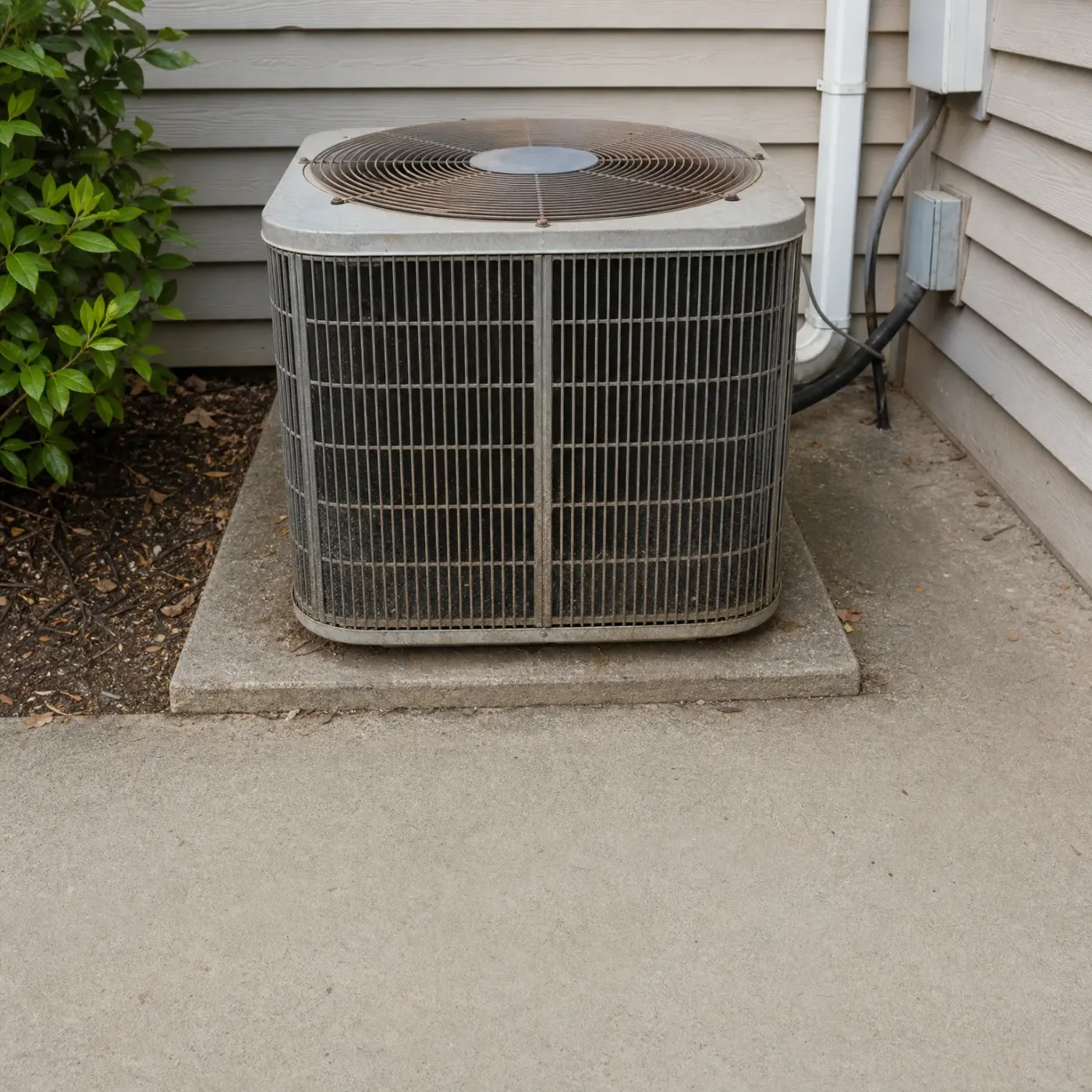
An outdoor air conditioner condenser unit sits on a concrete pad beside a stucco wall, with refrigerant lines and conduit running to the wall and a shrub to the left.

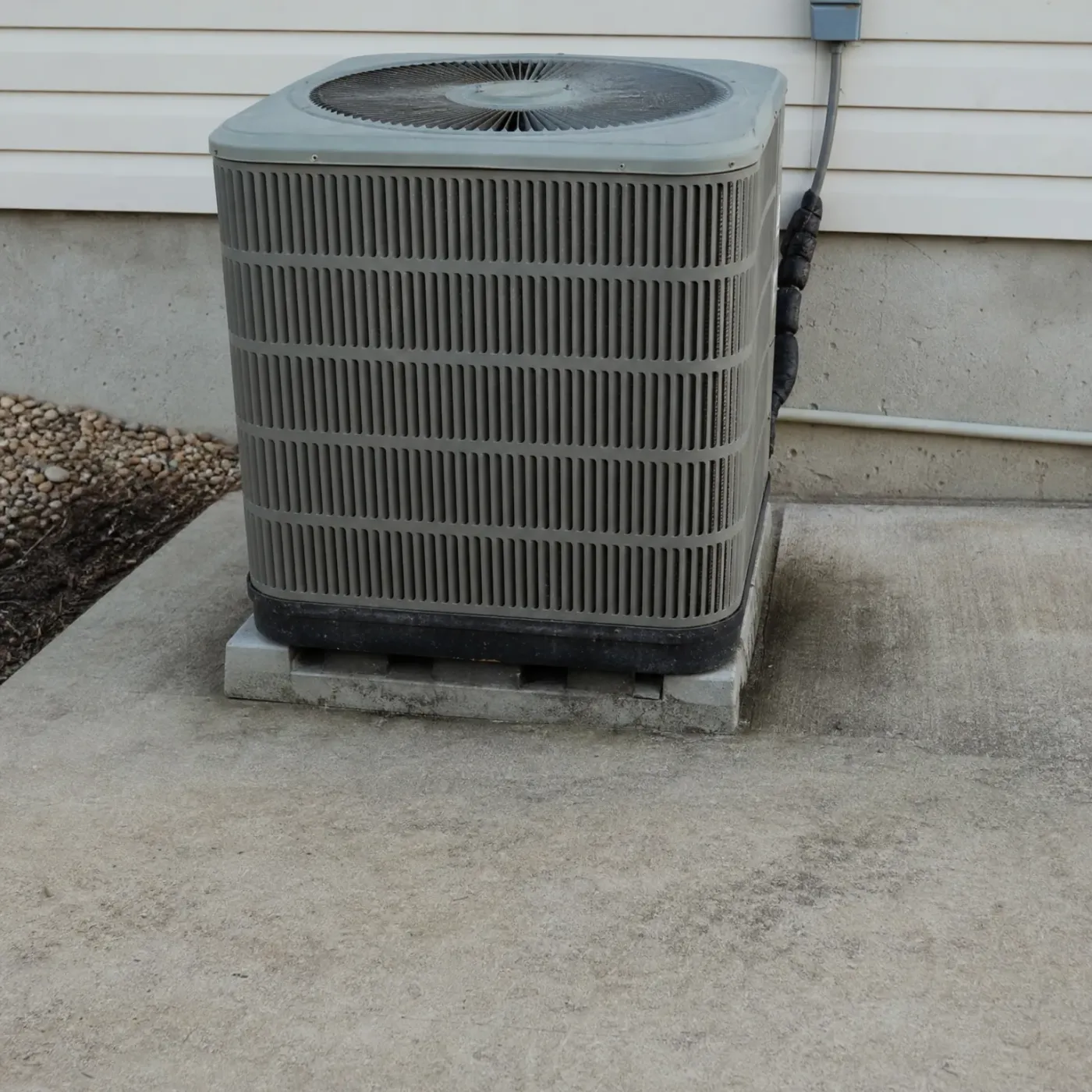
A single-stage unit showing its age

Grime on the fins and years of weathering tell you this unit has been working hard, likely cycling on and off through every one of Virginia's long summers. That strain adds up. A two-stage replacement would run longer at a lower speed instead of fighting through short, hard bursts.

Two-Stage vs. Single-Stage AC

Two-stage

  • The low stage covers most of a Virginia summer, so the compressor rarely has to run at full output.
  • It pulls more moisture out of the air than a single-stage unit does, which matters in a climate this sticky.
  • Install costs more upfront than a single-stage system, since the equipment and controls are more complex.
  • A longer, steadier run moves air through the ductwork more evenly, so rooms far from the thermostat fare better.
  • It still has a high stage for the worst afternoons, so you're not giving up capacity on the hottest days.
  • Lower stage means less wear from constant starts and stops, which can mean fewer repairs over the years.

Single-stage

  • It only runs at one speed, so every time it turns on, it's pushing full output whether the house needs it or not.
  • Upfront cost is lower, and the equipment itself is simpler to install and service.
  • Short bursts of full-blast cooling don't run long enough to pull much humidity out of the air.
  • Frequent on-off cycling puts more stress on the compressor over its lifetime.
  • It cools a house fast, which matters if you want quick relief rather than steady comfort.
  • Parts and labor for repairs tend to be simpler and more widely available, since the system has less going on inside it.
An outdoor air conditioner condenser unit on a concrete pad beside a house wall, with a gray electrical disconnect box and conduit above it and grass in the foreground.

Why low stage runs so long here

A two-stage compressor's low setting is built to handle most of what a Virginia summer asks of it. It moves around sixty to seventy percent of full capacity, which is usually enough to keep up on a hot, sticky afternoon without ever stepping up to high. The unit stays on longer at that lower output instead of shutting off and restarting, so the air in your house moves through the system more times and gives up more of its moisture along the way.

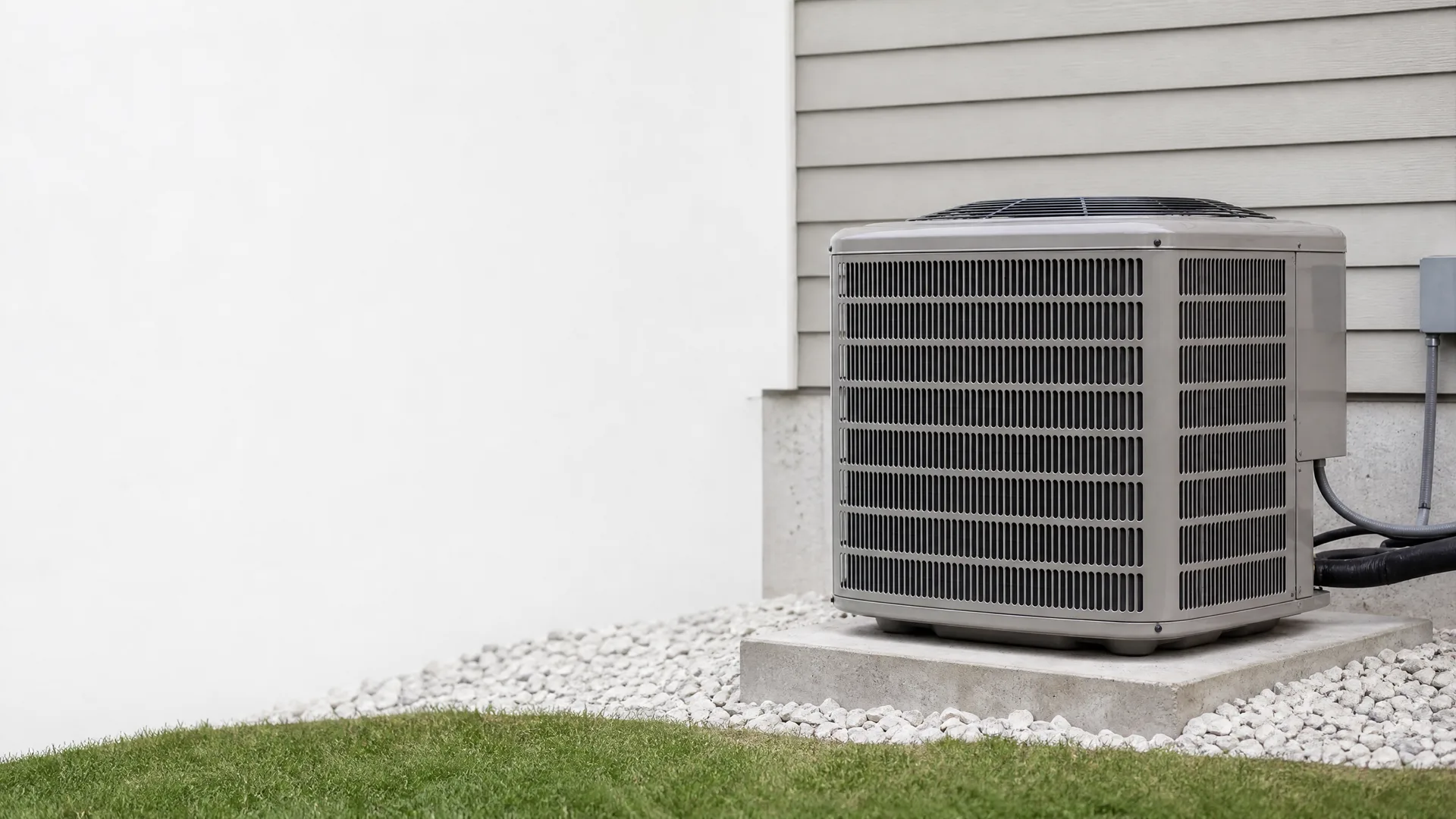
A gray outdoor air conditioner condenser unit on a concrete pad beside a house with horizontal lap siding, surrounded by white gravel and a lawn, with a white wall at left.

What that does to humidity indoors

Pulling moisture out of the air takes time, not just cold coils. A single-stage unit cools the room fast and shuts off, so the air never sits in contact with the coil long enough to dry out fully. The slower, longer runtime on a two-stage system's low setting gives the coil that time. In a place where the air outside is heavy with moisture most of the season, that lower indoor humidity is what makes seventy-four degrees feel like seventy-four degrees.

Does your AC ever stop running at all this summer

Walk through the house on a sticky August evening and listen for it. If it's quiet, no hum from outside, no air moving through the vents for stretches at a time, that's a single-stage unit cycling off completely before it kicks back on. You might also notice some rooms feel fine while others stay warm and a little damp, especially upstairs. The air can feel heavy even when the thermostat says you're at the temperature you set. None of that means the unit is failing. It means it's built to run one way, full on or fully off, and in a Virginia summer that leaves the house catching up between cycles instead of staying ahead of the heat and moisture.

A woman with long gray hair wrapped in a checked blanket sits on a sofa by a window with yellow autumn foliage outside, with a lamp, framed picture and plant in the background.
An older woman in a cream knit sweater sits on a sofa by a window, looking out at sunlit trees with yellow and orange autumn leaves, with a bookshelf and lamp behind her.
A woman with gray shoulder-length hair in a dark knit sweater sits on a cushioned seat by a window, looking out at yellow autumn foliage, with a living room, armchair, houseplant and framed picture behind her.
An older woman with gray hair in a bun, wearing a cream knit sweater, sits on a sofa with a gray blanket and looks out a large window toward yellow-green autumn trees, with a lit table lamp and dark armchair behind her.
An outdoor air conditioning condenser unit on a concrete pad beside a house with horizontal lap siding, with a gray electrical disconnect box and conduit on the wall and green shrubs and trees to the left.

The right pro for this job

Send the form and the search for an installer is over.

Get in touch with a local installer about a new air conditioner.

Get an air conditioner pro

There's no charge for the request.

How does a two-stage AC know when to switch stages?

You've heard a two-stage unit runs on low most of the time, but you're picturing how it actually decides to kick into high. It's not guessing or running on a timer. Something in the system is making that call, and knowing what it is tells you whether it's going to keep up on the worst days of a Virginia summer or leave the house warm while it figures things out.

The thermostat tells it, based on how long the low stage has been running

The thermostat tracks how close the house is getting to the set temperature and how fast. If the low stage has been running a while and the house still isn't cooling down, the thermostat sends the signal to shift the compressor into high. On a mild day, low stage alone usually gets the job done, so it never calls for more. On a hot, humid afternoon, with the sun on the roof and the house full of people, the low stage runs longer before the thermostat decides it needs backup. That's normal. It's the system matching its output to what the day actually demands, rather than running full blast whether it needs to or not.

  1. The thermostat calls for cooling and starts the unit on low.

  2. The compressor runs its low stage, moving around sixty to seventy percent capacity.

  3. A sensor tracks how fast the house is cooling against the thermostat setting.

  4. If low stage can't keep up, the control board switches it to high.

A woman in a cream knit sweater sits in an armchair with her eyes closed and a slight smile, beside an open window showing orange autumn foliage, with a mug, books and a lit candle on a small side table.
An older man with gray hair and a beard leans back on a beige sofa with his eyes closed, in a sunlit room with potted plants, a wicker chair and large windows behind him.

Staying put for years to come

If this is the house you plan to be in for a while, a two-stage AC has time to earn out its longer install cost. It runs its low stage most of a Virginia summer, so the compressor sees less wear over the years you own it, and it pulls more moisture out of the air the whole time you're there. A system that spends a decade running gently every July and August is doing a decade of work the way it was built to. The longer you keep it, the more that low-stage running matters and the less the upfront difference does.

Selling before it pays back

If you might move in a few years, the math looks different. A two-stage unit costs more to install than a single-stage one, and that gap doesn't close itself quickly through lower bills alone. Whoever buys the house next gets the benefit of the gentler cycling and the drier air, not you, if you're not around to feel it through many Virginia summers. A single-stage AC installed instead still cools the house and still handles the humidity reasonably well. The question isn't whether two-stage works. It's whether you'll be in the house long enough to make the extra cost worth paying now.

Power costs 15.28 cents per kilowatt-hour statewide

At 15.28 cents a kilowatt-hour, every hour your compressor spends at full blast costs more than an hour at low stage. A two-stage unit does most of its work on low, so that rate hits your bill less hard over a long Virginia summer.

EIA-861 2025 statewide residential average

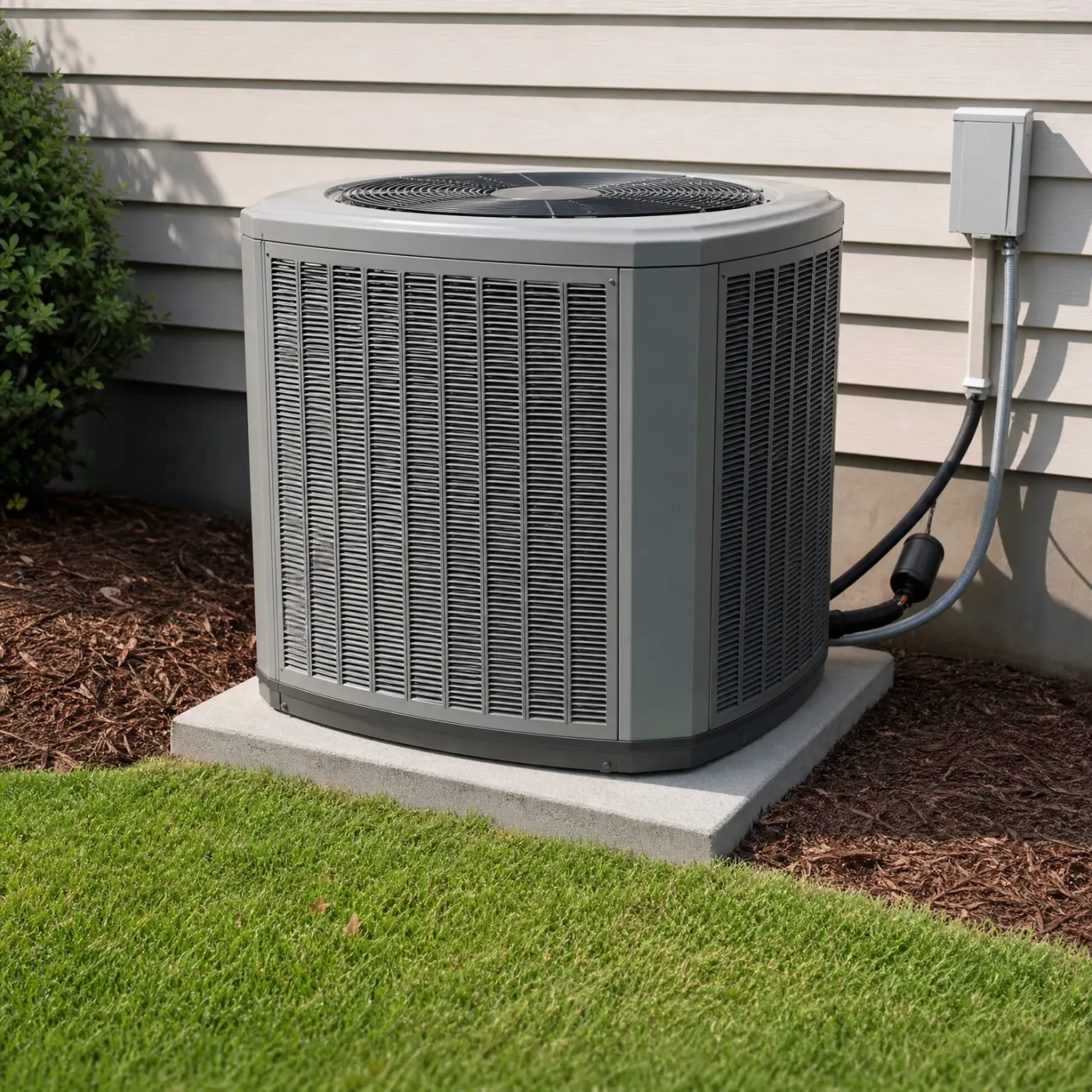
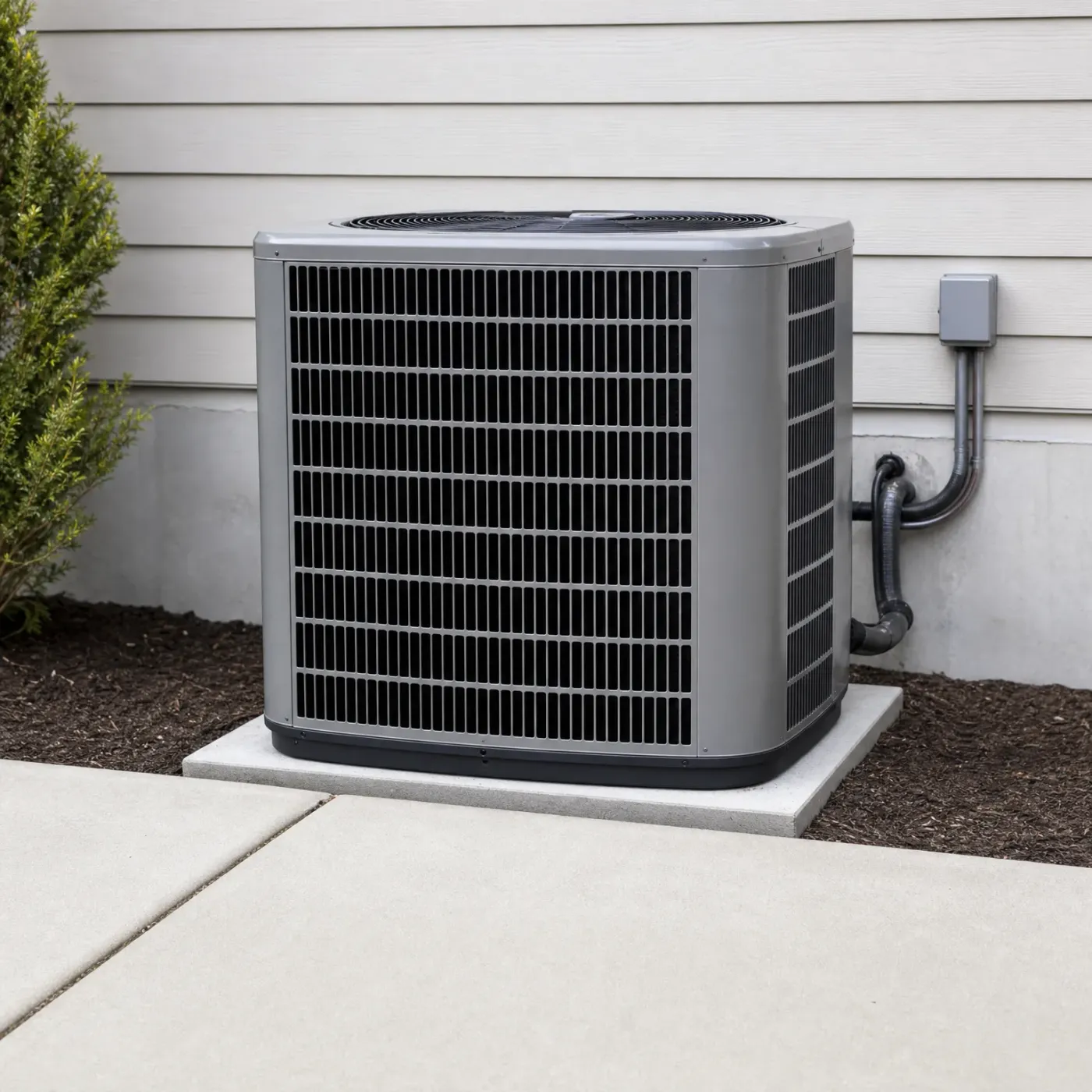
A gray outdoor air conditioner condenser unit on a concrete pad beside a house with horizontal lap siding, with a wall-mounted disconnect box and conduit, mulch bed, shrub, and lawn nearby.
Running steady on low, the compressor and lines you see here barely work hard, even on a sticky afternoon.
An outdoor air conditioner condenser unit sits on a gray pad beside a light vinyl-sided wall, on a concrete slab next to a gravel bed.
Same setup, but a single-stage system drives this unit between full blast and dead stop all day long.
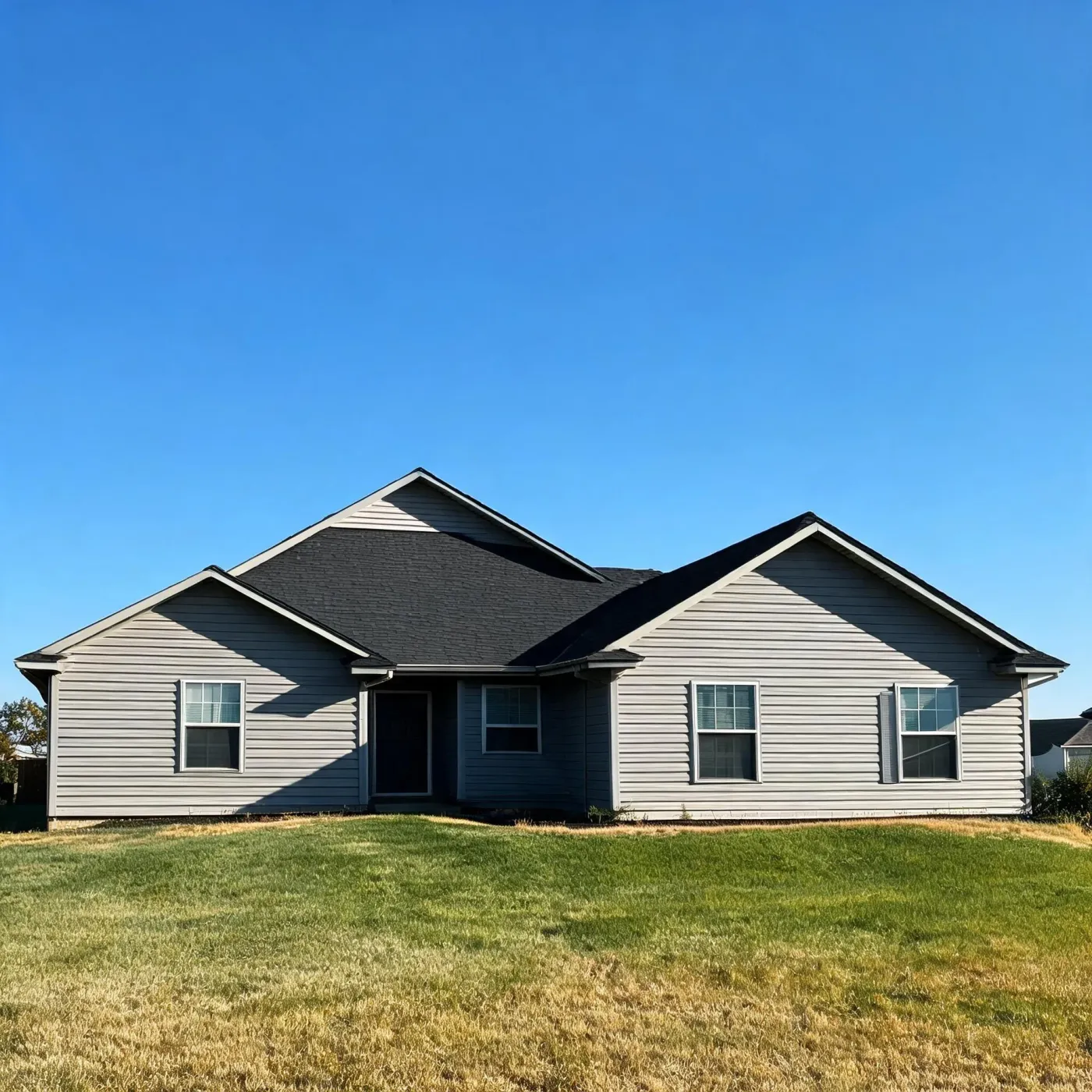
A single-story house with gray vinyl siding, dark shingled gable roofs, and white-trimmed windows, set behind a partly dry green lawn under a clear blue sky.

A summer dew point averaging 64°F, from NOAA climate records, is the point where air starts feeling heavy instead of just warm. At that level your air conditioner isn't only cooling the house, it's wringing water out of the air to keep things from feeling clammy. A two-stage unit's low setting handles that pull well, since it runs long enough to pull moisture out steadily instead of in short bursts. You'll notice it most on a muggy evening with the windows shut: the air inside stays dry enough that the house doesn't feel sticky even when it's heavy outside.

NASA POWER T2MDEW county cells weighted by homes

An outdoor air conditioning condenser unit on a concrete pad beside a house with horizontal lap siding, with a shrub and mulch bed to the left and conduit and a small electrical box on the wall to the right.
Before you get your air conditioner installation
A gray outdoor air conditioner condenser unit sits on a concrete pad beside a house with horizontal lap siding, with conduit and an electrical disconnect box on the wall, dark mulch and a shrub to the left, and a concrete walkway in the foreground.
After you get your air conditioner installation

Where this leaves you

  • A two-stage AC earns its keep in Virginia by running low stage through most of a sticky summer instead of cycling on and off.
  • The install costs more than a single-stage unit, so the payoff shows up over years, not the first season.
  • Lower stage pulls more moisture out of the air, which matters on the humid afternoons Virginia gets all summer.
  • Less on-off cycling means less wear on the compressor over the years you own the house.
  • Once you decide it fits your plans, a licensed contractor can confirm it suits your house and get the install scheduled.
  • Sending the form is the last step on your end; finding and reaching out to the right contractor becomes someone else's job from there.

A two-stage AC pays off in Virginia when you're staying put. The low stage does most of the work across a long, sticky summer, so the unit spends its time running steady instead of slamming on and off. That steadier run pulls more moisture out of the air on the humid afternoons this state gets for months at a stretch, and it means less wear on the compressor over the years you own the house. The install costs more than a single-stage unit up front. If you're moving in a year or two, that cost may not catch up to you before you go. If this is the house you plan to be in for the long run, it has years to work in your favor.

None of that is a decision a page can make for you. It depends on how long you're staying, what your summers actually feel like, and what your house needs, and that last part is worth having someone look at in person. A licensed contractor can walk through your situation and tell you whether a two-stage unit fits what you're after, and get the install scheduled once you're ready.

Sending the form is the last thing you have to do yourself. From there, finding the right contractor and reaching out to you is off your plate. You've already done the thinking that matters, deciding whether this is worth it for your house. The rest is someone else's job now.

Corner of a house with light horizontal lap siding, a white gutter and downspout, and a window, beside a mulched bed with small shrubs, a lawn, wooden fence and trees in the background.
Close-up of a white gutter along an asphalt-shingle roof edge with dry brown leaves collected in it, a downspout and lap siding below, and blurred autumn trees in the background.
Exterior corner of a house with horizontal lap siding above a stone veneer base and a dark-framed window, with ornamental grasses and shrubs in the foreground and trees in low sunlight behind.
A white horizontal-siding house with a steep gray shingled gable roof, fronted by trimmed shrubs, a brick walkway, and a lawn scattered with fallen autumn leaves.
Corner of a house with cream horizontal lap siding, a black-framed window, asphalt shingle roof with dark fascia, white hydrangea blooms and green shrubs below, and a leafy tree and wood fence to the right.

Matched to your air conditioner job

Send the form and stop researching installers for the new air conditioner.

Connect with a pro

You only hire the pro if you want to.