AC Working Right
A well matched system pulls moisture out as it cools, and the house feels dry even when it's sticky outside. The unit cycles on and off instead of running nonstop, and that off time is part of how it keeps humidity down.

Your AC runs most of the summer here and the house still feels damp. Floors feel clammy, windows fog, maybe there's a musty smell in the basement even with the thermostat set low. You're wondering if the AC alone should be handling this, or if something else is supposed to be doing that job.
An air conditioner pulls moisture out of the air as a side effect of cooling, not as its main job. It only dehumidifies while it's running a full cooling cycle. On a mild day, if your thermostat is satisfied quickly, the unit shuts off before it's pulled out much water at all, even though the air outside is heavy with it. That's how a house ends up cool and still sticky at the same time. In a climate where summer humidity sits high for months, that gap shows up as damp floors, fogged windows, or a basement that smells musty no matter where the thermostat is set. A separate dehumidifier runs on its own schedule, pulling moisture out whether or not the AC happens to be cooling at that moment.
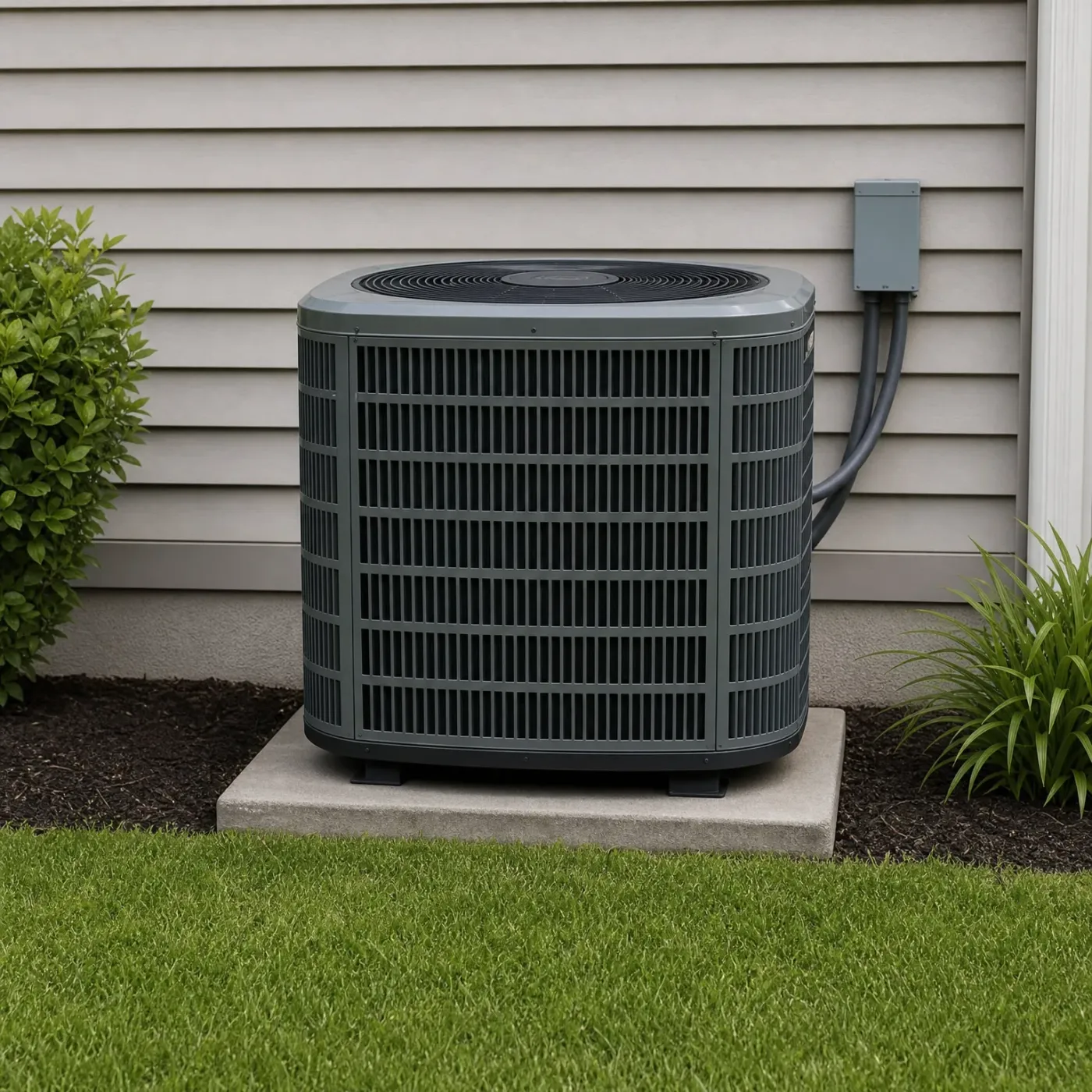
A well matched system pulls moisture out as it cools, and the house feels dry even when it's sticky outside. The unit cycles on and off instead of running nonstop, and that off time is part of how it keeps humidity down.
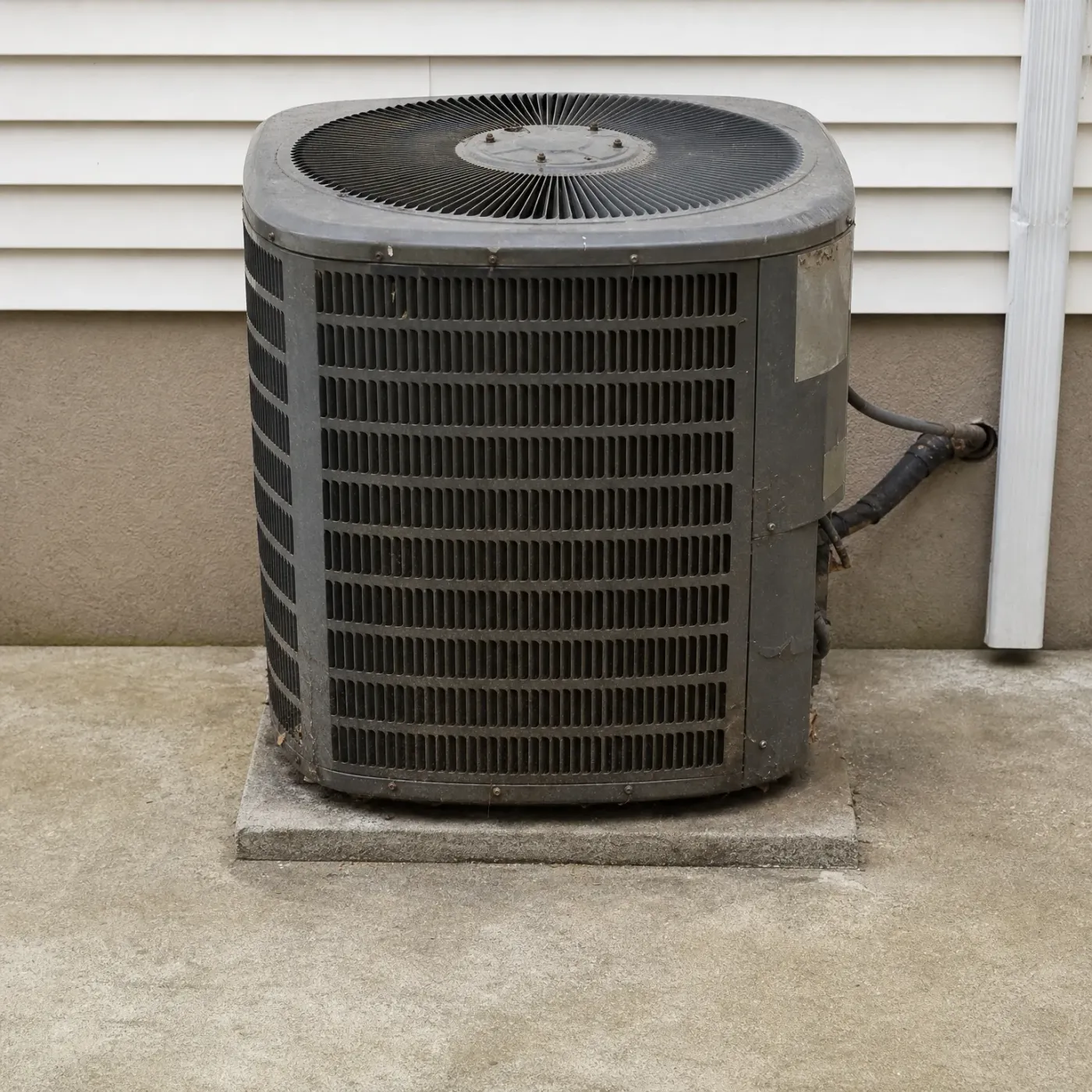
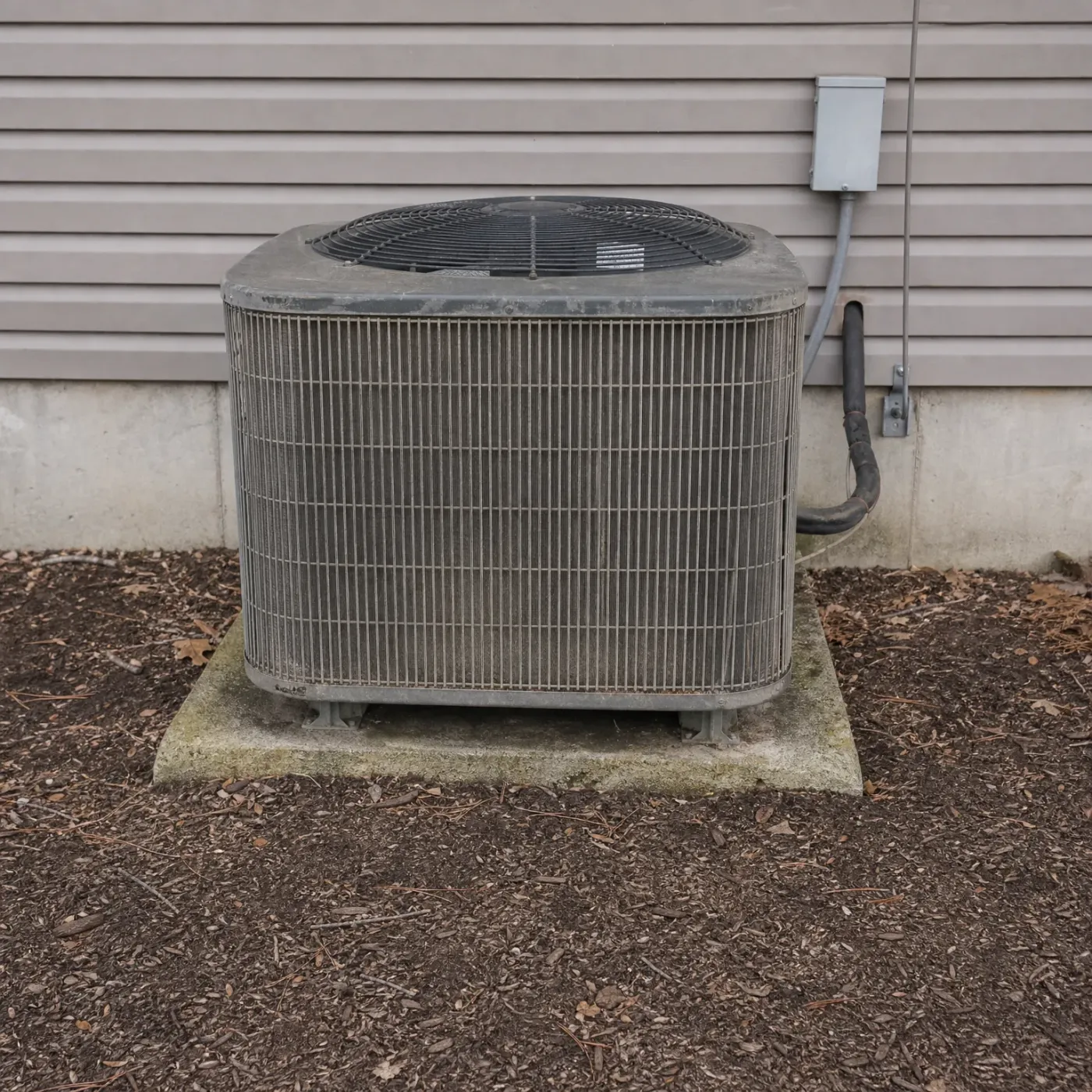
Dirt caked on the fins cuts how much heat the unit can shed, so it runs longer to hit the same temperature and still leaves the air damp. An older unit sized for a different house won't pull enough moisture out no matter how long it runs.
Walk down to the basement and the air feels thicker than upstairs. Wood doors stick in their frames. Clothes in the closet smell faintly musty even after washing. You might see a dark film starting on a bathroom ceiling or along a window frame where moisture keeps settling. None of this means the AC is broken. It means it's cooling the air without pulling enough water out of it. Left alone through a Virginia summer, that moisture has somewhere to go: into drywall, baseboards, the underside of carpet. Mold doesn't need much encouragement once the air stays damp for weeks at a time.
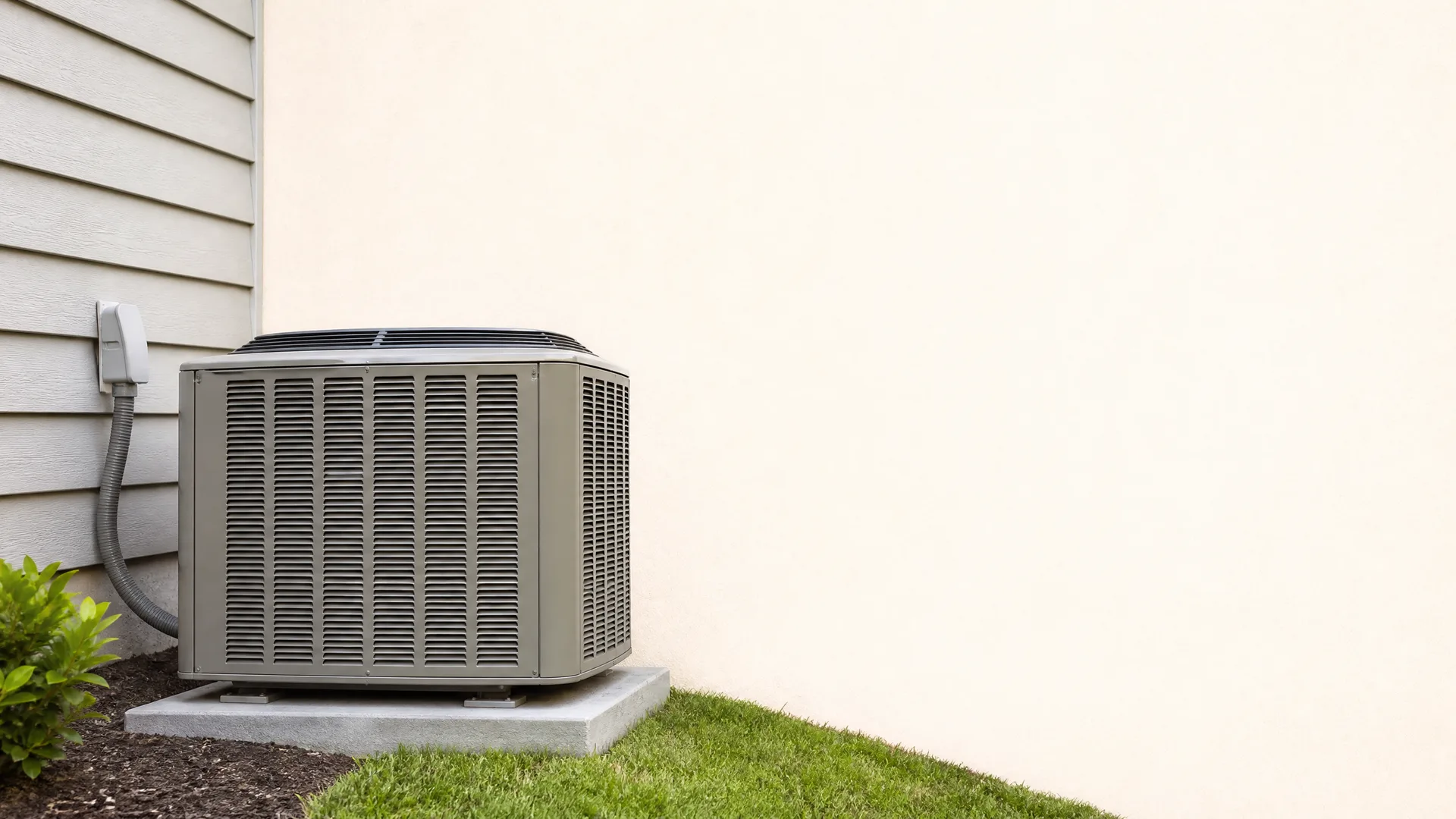
An air conditioner set up correctly runs in long, steady cycles that give it time to pull moisture out of the air as it cools. If the unit is too big for the house, it cools the room fast and shuts off before it has run long enough to do much dehumidifying. You get a cold house that still feels damp. This is a sizing problem, not a sign the house needs a second machine bolted on.
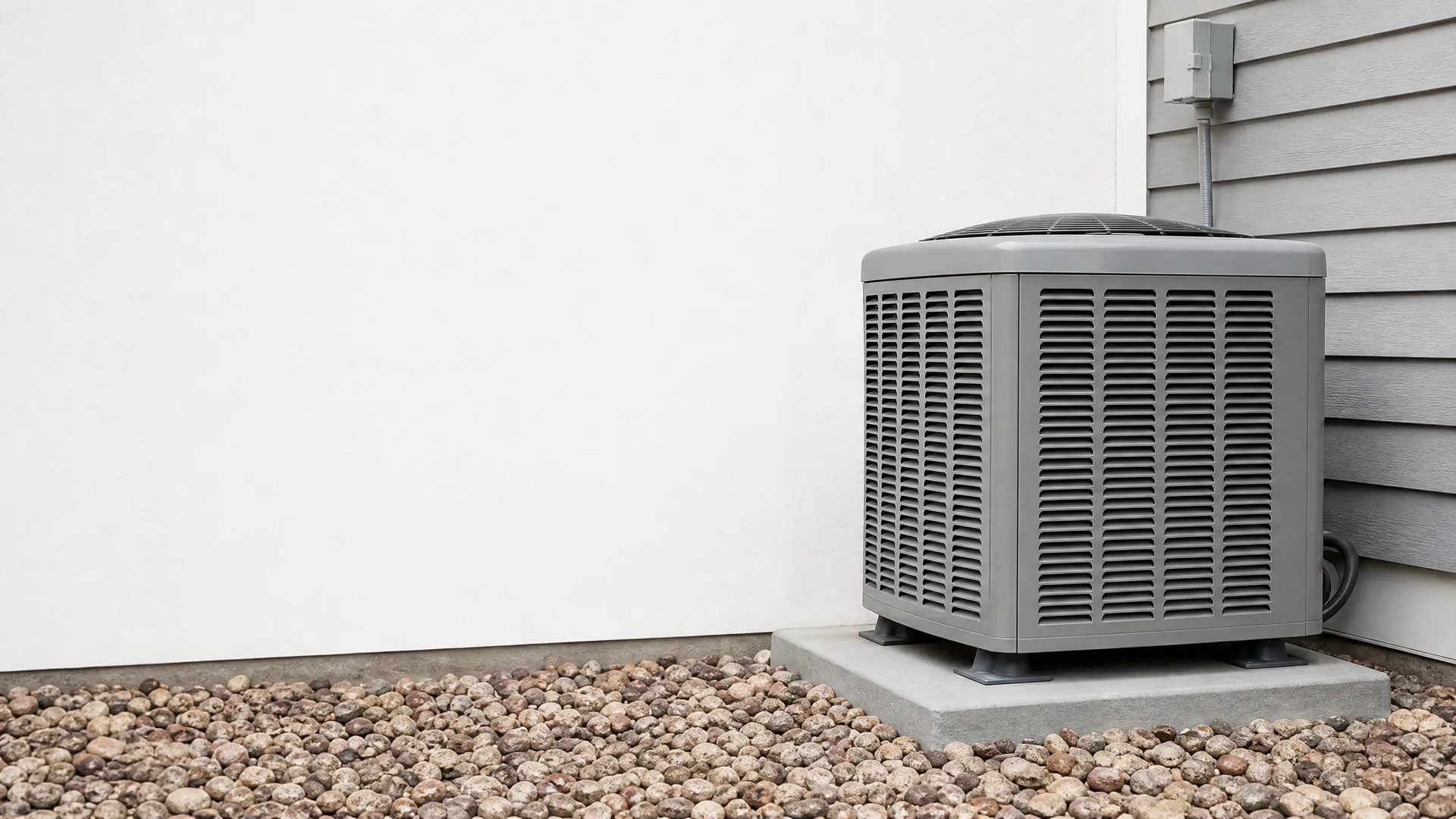
A whole-house dehumidifier ties into the ductwork and runs off a humidistat, pulling moisture out of every room the system serves, not just the one with a portable unit sitting in it. It works alongside the AC instead of fighting it, running on its own schedule even on milder days when the AC barely cycles. A contractor who installs these in Virginia homes every summer can size one to the house and tie it into the existing ducts correctly.
At 15.28 cents per kilowatt-hour, running your AC longer to wring out humidity costs more than it should. A dehumidifier handles the moisture on its own, so your AC can cool the air and shut off instead of running extra hours just to feel dry.
EIA-861 2025 statewide residential average
A whole house dehumidifier ties into your ductwork and handles moisture on its own, separate from cooling. Your AC can shut off once the house is cool instead of running longer just to chase humidity out of the air. In a Virginia summer, that means the thermostat and the humidity aren't fighting over the same equipment. A contractor who installs these regularly can size it to your house and tie it into the system you already have, which matters more than picking a unit off a shelf.
Some homes get by on the air conditioner alone, especially if the system is sized right and the ductwork moves air the way it should. That only holds up if nothing else is working against it. A unit that's too big for the space, a duct leak, or a system that's aged past its prime will struggle to keep humidity down even while the temperature looks fine on the thermostat. Before ruling out a dehumidifier, it's worth having someone who works on this equipment all season look at whether your AC is actually keeping up.




If your AC can't keep the house from feeling damp, the fix usually isn't a bigger AC. It's adding a dehumidifier that handles moisture on its own so the AC just cools. Getting that sized and installed right matters more than most people think. Too small and it won't keep up with a Virginia summer. Too big and it short cycles without doing its job. A contractor who installs these in homes around you every summer knows which setup actually solves the stickiness in your basement or your closets, not just the thermostat reading. Send the request and that's who gets it, one licensed local contractor who works on this equipment regularly, not a handful of companies competing for your callback. From there it's off your plate. You stop running the AC harder to chase humidity it was never built to handle alone, and you stop guessing at what size unit your house actually needs.
Cooling and drying air are two different jobs, even though your AC does a version of both. The coil in your air conditioner is sized for heat removal first. Moisture only comes out as a side effect of that cooling, so the amount it pulls depends on how long the compressor stays running. On a mild, muggy day, the thermostat might be satisfied in ten minutes, and the coil never runs long enough to do much drying.
A dehumidifier doesn't care what the thermostat says. It has its own coil, colder and built specifically to condense water out of the air passing over it, and its own fan pulling air across that coil on its own schedule. After the air gives up its moisture, the unit warms it back up slightly before pushing it back into the house, so it's not dumping cold air into rooms that don't need cooling.
In a whole house setup, that unit connects into your return duct and runs its own condensate line separate from your AC's drain. It doesn't pull air through your evaporator coil or put extra strain on the blower motor. The two systems share ductwork but not much else.
That's why the humidistat on the dehumidifier gets set on its own, apart from the thermostat. One machine is watching the temperature. The other is watching the moisture. Keeping those two settings independent is what lets your AC cool on its own schedule while the dehumidifier handles the rest.
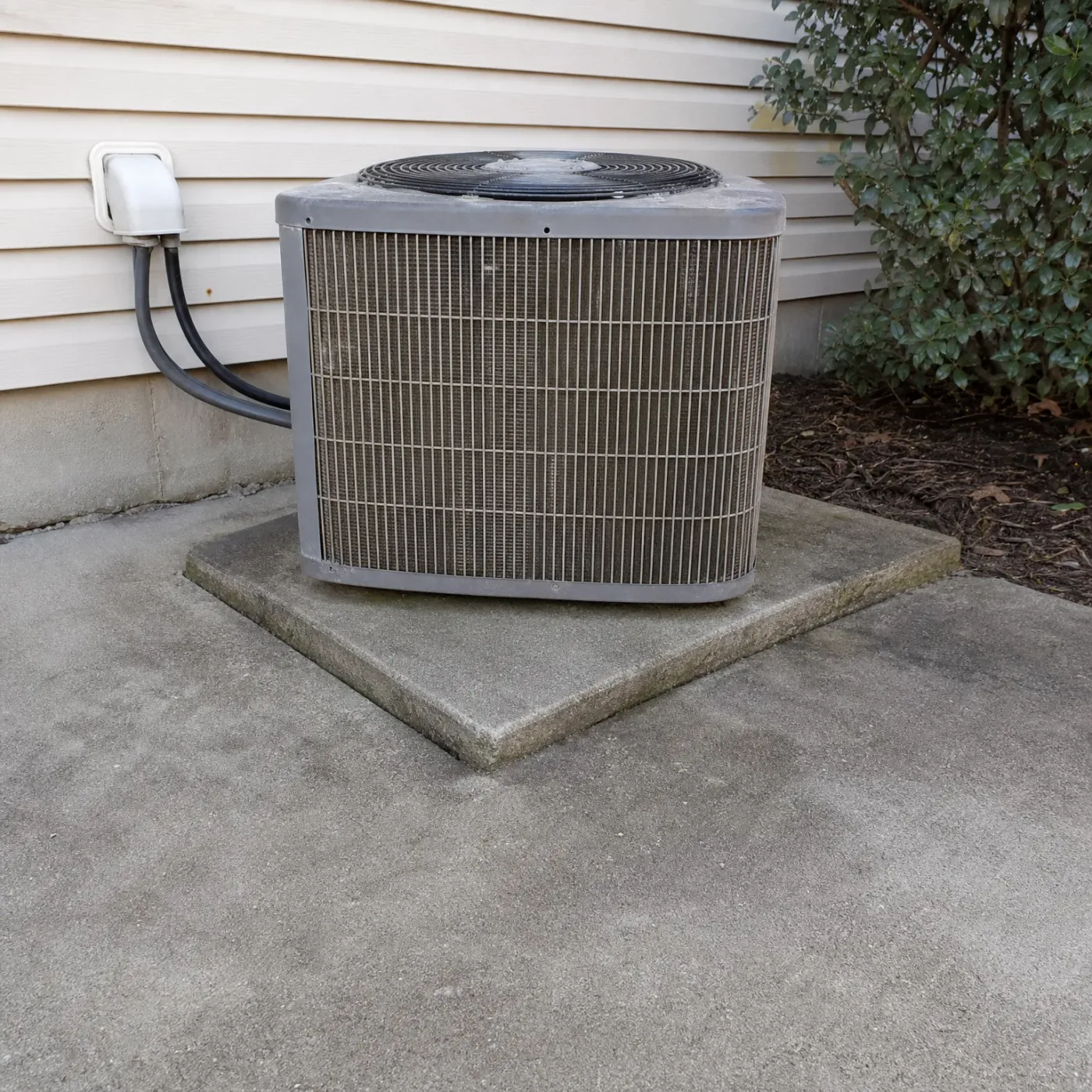
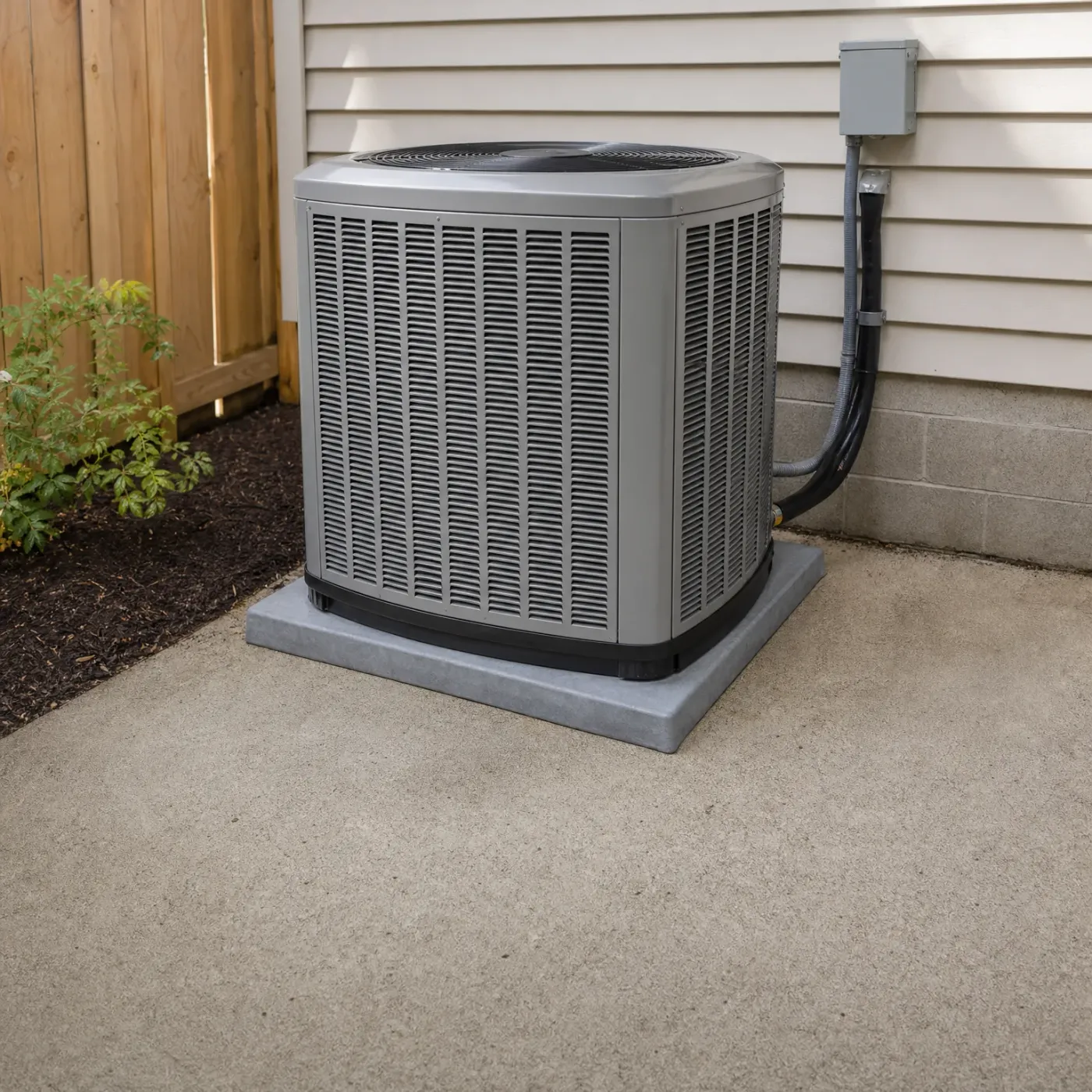
A whole house dehumidifier works separately from your AC even though it uses the same ducts. It has its own compressor and a reheat coil, so it can pull water out of the air without dropping the room's temperature. Air gets pulled in through your return duct, passes over the unit's coil where the moisture condenses out, then goes back out through the same ducts your AC already uses to reach every room. A humidistat, either on the wall or set inside the ductwork, tells it when to turn on. You set the humidity level you want, and it runs whenever the air climbs above that, regardless of what the thermostat is doing. That matters on the days your AC cools the house fast, shuts off, and leaves the air still damp. The dehumidifier keeps working through that. Water it collects drains out the same way condensate from your AC does, either to a floor drain or through a pump. Getting the size right, matched to your square footage and how much moisture your house holds onto, decides whether it keeps up on the wettest days in Virginia or falls behind.


A dew point averaged over the summer here, from NOAA, runs 64°F. That's the number that decides how the air feels on your skin, not the temperature. At 64, the air already carries enough moisture that your skin doesn't dry off easy, even in the shade. Your AC is working against that every time it cycles, and if it's sized to cool fast, it's not running long enough to wring that moisture out. The result is a house that reads cool on the thermostat but still feels heavy when you walk through it.
NASA POWER T2MDEW county cells weighted by homes
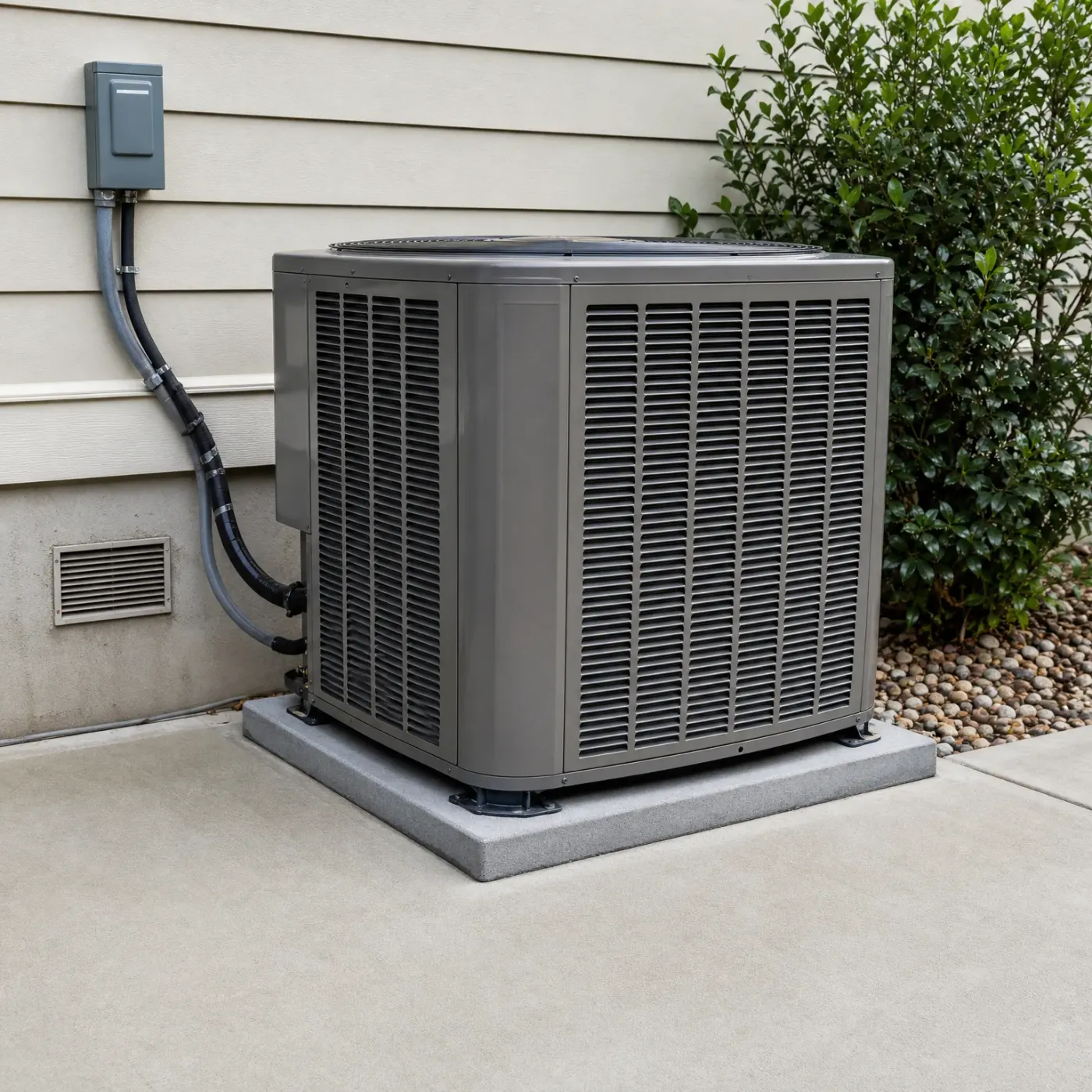
So the short answer stands: in a Virginia summer, your AC alone often isn't enough to keep the house from feeling damp, and a whole house dehumidifier tied into your ductwork is what closes that gap. Getting the size right matters here, because a unit that's too big or too small won't fix the stickiness, it'll just run wrong. That's a sizing job for someone who works on this equipment all summer in homes around you and knows which installs end up struggling and which don't. When you send a request, it goes to one licensed local contractor, not a handful of companies competing for your callback. You deal with one person who already knows the local humidity and can size the job for your house instead of guessing. That's the part worth getting right, and it's the part you're handing off.




Your request stays with one local pro.
No fee to send it, and nothing to sign.