Tell us about the job
Takes about a minute. No obligation.
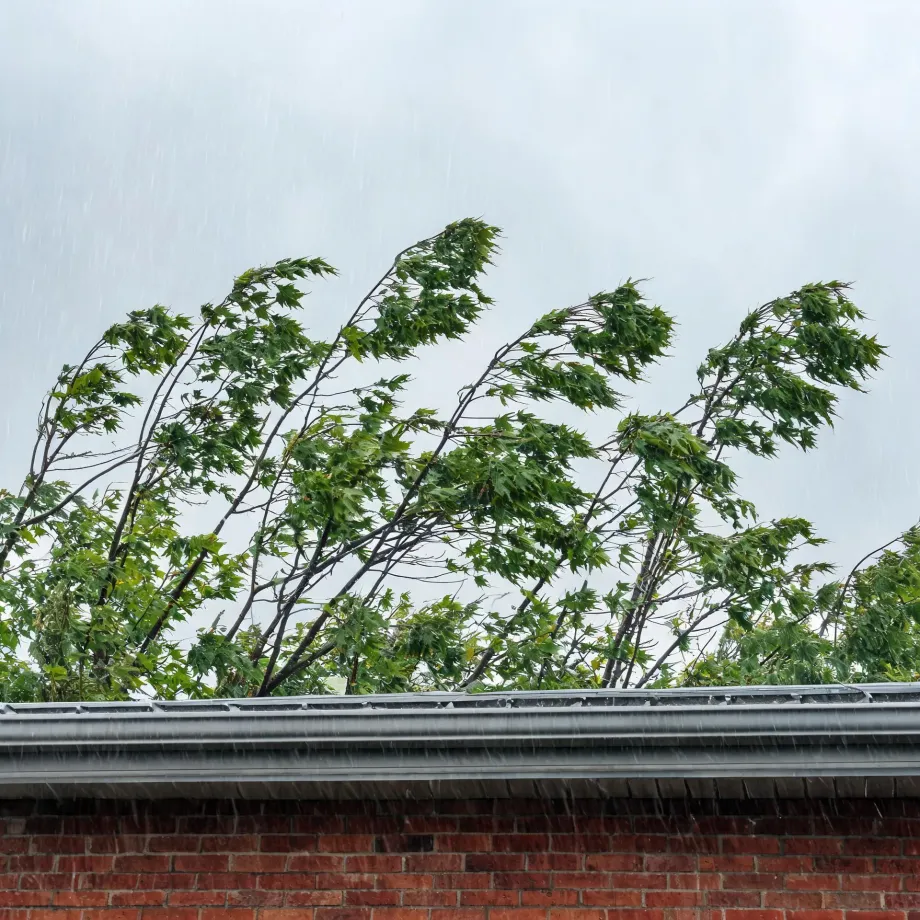
A contractor quoting a Central AC repair in Mecklenburg County has to account for what the system has already been running against before they can say what failed and why. 108 severe weather events were recorded in Mecklenburg County, Virginia between 2015 and 2024. At that rate, severe weather is a standing part of the operating environment for cooling equipment in this area, and a compressor or capacitor that has been cycling through repeated stress events over the years may show wear that looks like neglect but traces back to cumulative load. That distinction changes which parts get replaced and what the final quote covers.
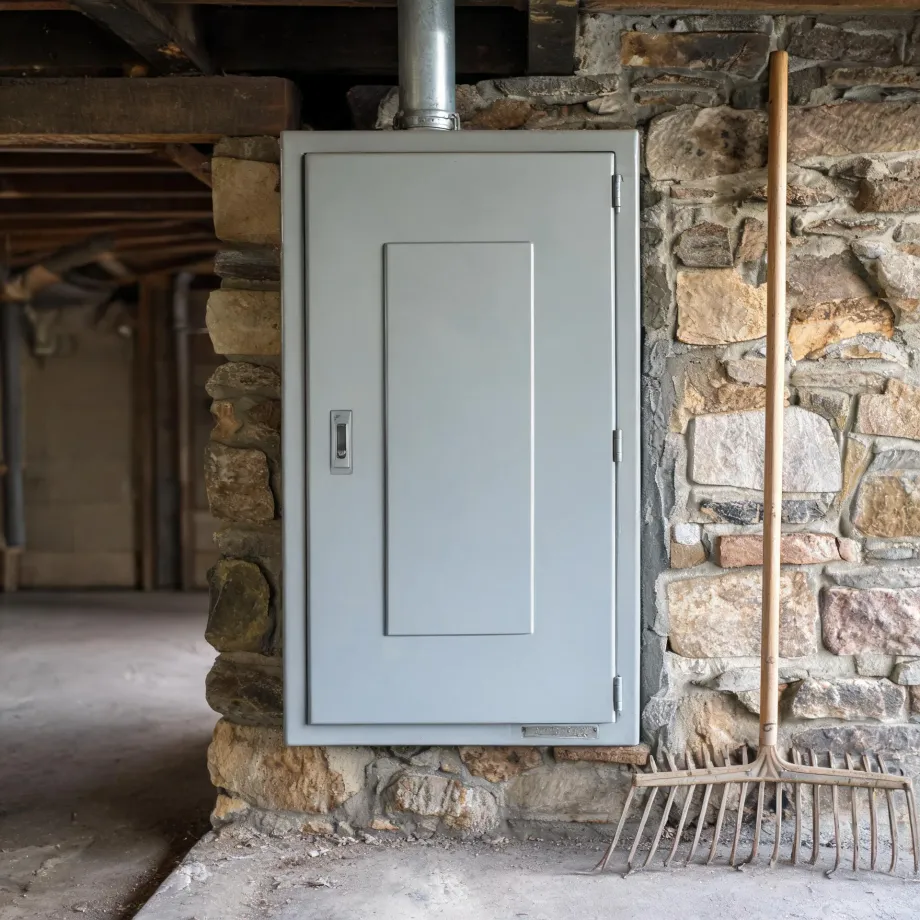
Ductwork laid for one generation of equipment and then asked to serve another accumulates problems that show up as AC failures rather than duct failures. Half the homes in Mecklenburg County, Virginia were built in 1983 or earlier (2020-2024 ACS 5-year). A contractor pulling a cover off a central AC unit here is often looking at wear patterns shaped partly by airflow the system was never sized to receive. Restricted return paths and leaking joints push a system harder than its design allows, and the compressor and coil bear that load for years before anything fails visibly. What the opened unit shows a contractor is damage that originates upstream of the equipment itself.
The Parts of a Central AC a Contractor Checks During a Repair
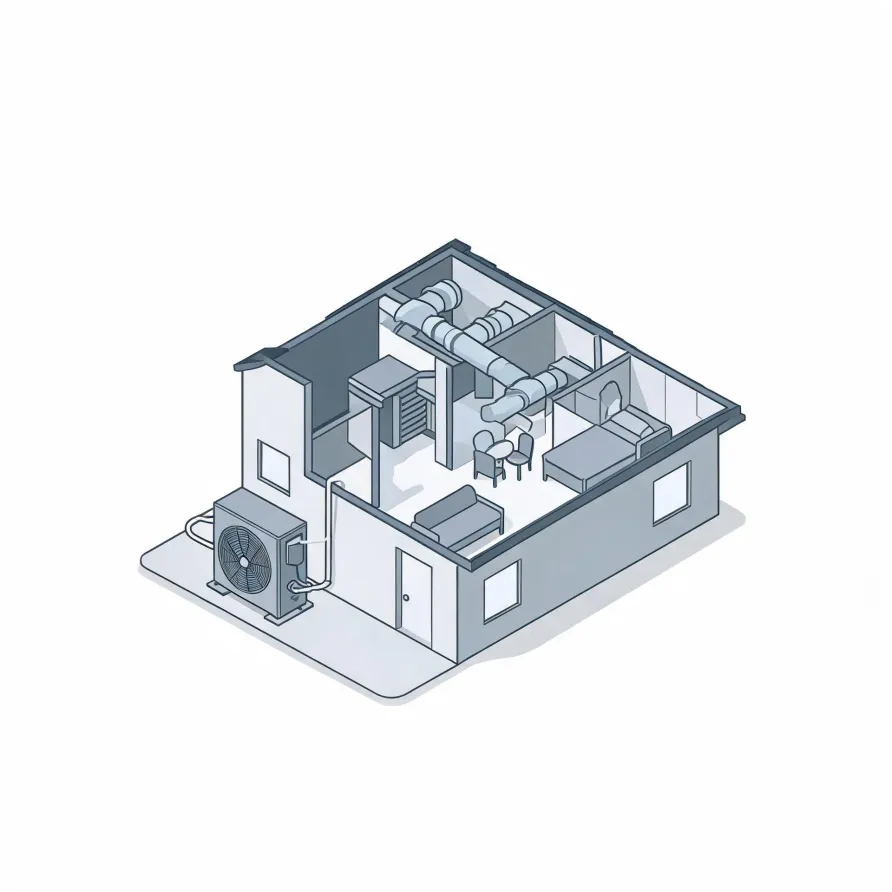
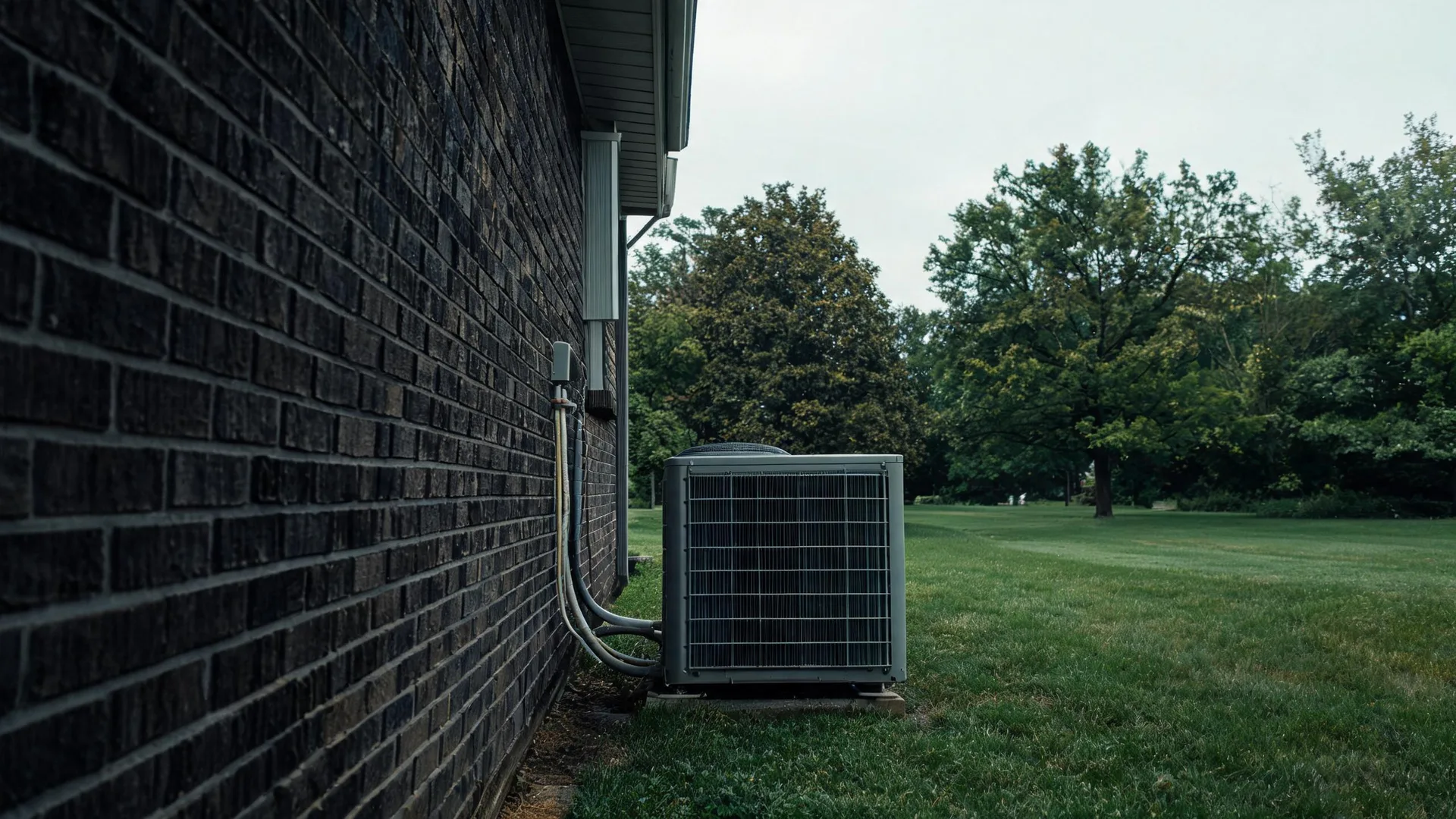
The outdoor condenser unit sits on a pad beside the house and holds the compressor and condenser coil, both of which a contractor examines early in any repair call. The compressor pressurizes the refrigerant; the coil sheds heat to the outside air. When either one fails, the system runs but produces no meaningful cooling.
Inside, the air handler holds the evaporator coil and the blower. The evaporator coil absorbs heat from the air moving across it, and the blower pushes that air through the supply registers. The expansion valve and refrigerant lines connect the two units, and the thermostat tells the whole system when to run, making each of these a point a contractor will check when diagnosing the fault.
The drawing shows the typical layout of these components, and a licensed contractor determines what applies to the specific system and setup in your home.
Get matched in Mecklenburg CountyMecklenburg County by the Numbers
108 severe weather events were recorded in Mecklenburg County, Virginia between 2015 and 2024.
NOAA National Centers for Environmental Information, Storm Events Database, bulk CSV export, events 2015-01-01 through 2024-12-31.Half the homes in Mecklenburg County, Virginia were built in 1983 or earlier (2020-2024 ACS 5-year).
U.S. Census Bureau, 2020-2024 American Community Survey 5-Year EstimatesMecklenburg County, Virginia holds 19,315 housing units (2020-2024 ACS 5-year).
U.S. Census Bureau, 2020-2024 American Community Survey 5-Year EstimatesOwners occupy 68.3% of the occupied homes in Mecklenburg County, Virginia (2020-2024 ACS 5-year).
U.S. Census Bureau, 2020-2024 American Community Survey 5-Year EstimatesRules & Standards Governing Central AC Repair in Mecklenburg County, Virginia10 sourced rules and standards
What HVAC Repair Looks Like in Mecklenburg County
Split-system central air conditioners rated below 45,000 Btu/h manufactured on or after January 1, 2023 must meet a federal minimum of 13.4 SEER2.
Split-system central air conditioners rated at or above 45,000 Btu/h manufactured on or after January 1, 2023 must meet a federal minimum of 13.4 SEER2.
Split-system central air conditioners manufactured between January 1, 2015 and December 31, 2022 had to meet 13 SEER, the metric that preceded SEER2.
Single-package central air conditioners manufactured on or after January 1, 2023 must meet a federal minimum of 13.4 SEER2.
Space-constrained central air conditioners manufactured on or after January 1, 2023 must meet a federal minimum of 11.7 SEER2.
Federal efficiency standards for split-system central air conditioners and heat pumps are set on each certified combination of outdoor unit and indoor coil rather than on the outdoor unit alone.
Residential and light commercial air conditioning and heat pump systems assembled in the field, including mini-splits and unitary systems, may not be installed on or after January 1, 2025 using a refrigerant with a global warming potential above 700.
A field-assembled system whose specified components were all manufactured or imported before January 1, 2025 carries no installation compliance date under the refrigerant restrictions and may still be installed.
Licensing Rules for HVAC Repair in Mecklenburg County, Virginia
Virginia’s contractor licence classes start above $1,000: the entry class covers a single contract or project over $1,000 but less than $30,000, or less than $250,000 of work in any 12-month period, with larger classes above that.
Virginia requires a contractor licence: no person may engage in, or offer to engage in, contracting work in the Commonwealth without one.
Severe Weather Events in Mecklenburg County
Extreme weather puts stress on cooling equipment, and that stress compounds over time. How often conditions here push a system to its limits shapes what repair work looks like in Mecklenburg County.
108 severe weather events, 2015–2024. Source: NOAA National Centers for Environmental Information, Storm Events Database.